Kohfukuji Temple
Area
Category
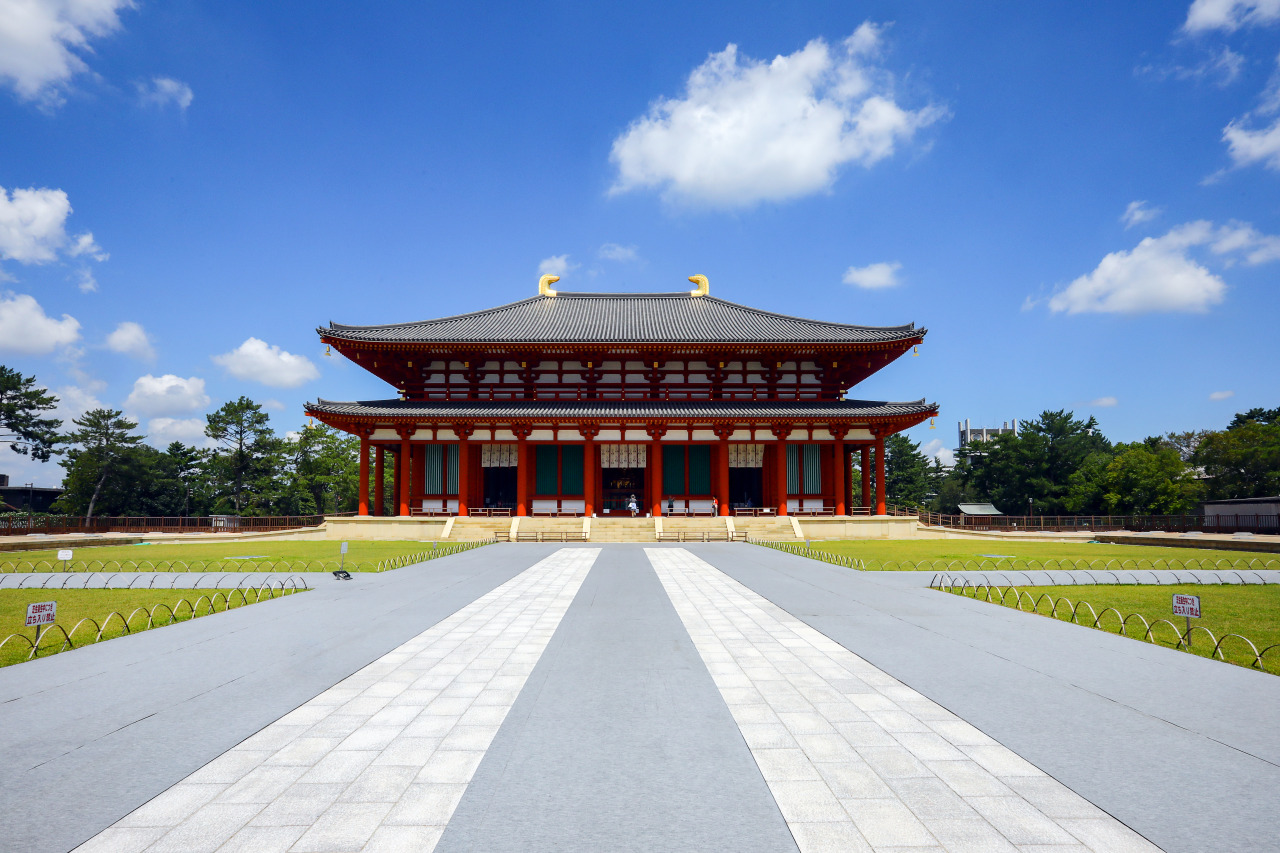


The prosperity of Nara is deeply linked to the development of this temple.
※Unauthorized reproduction of images on this page is prohibited
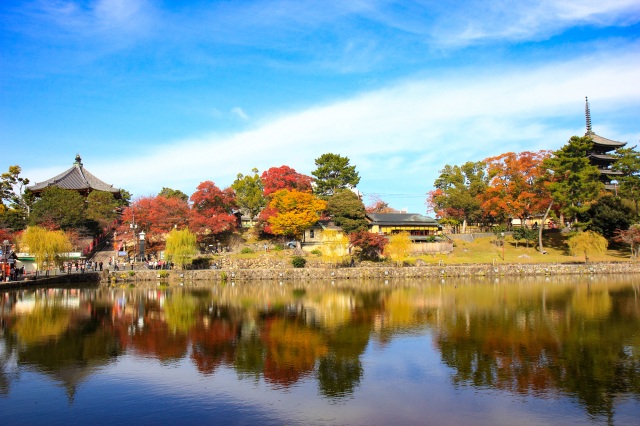
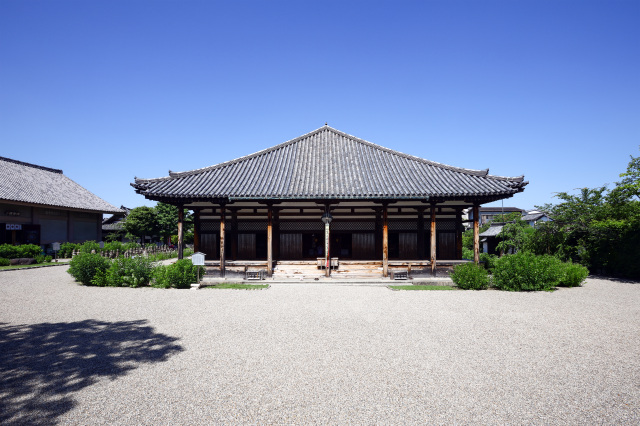
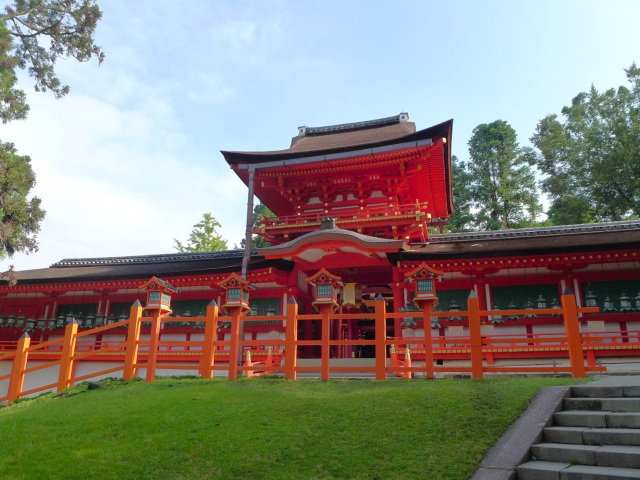
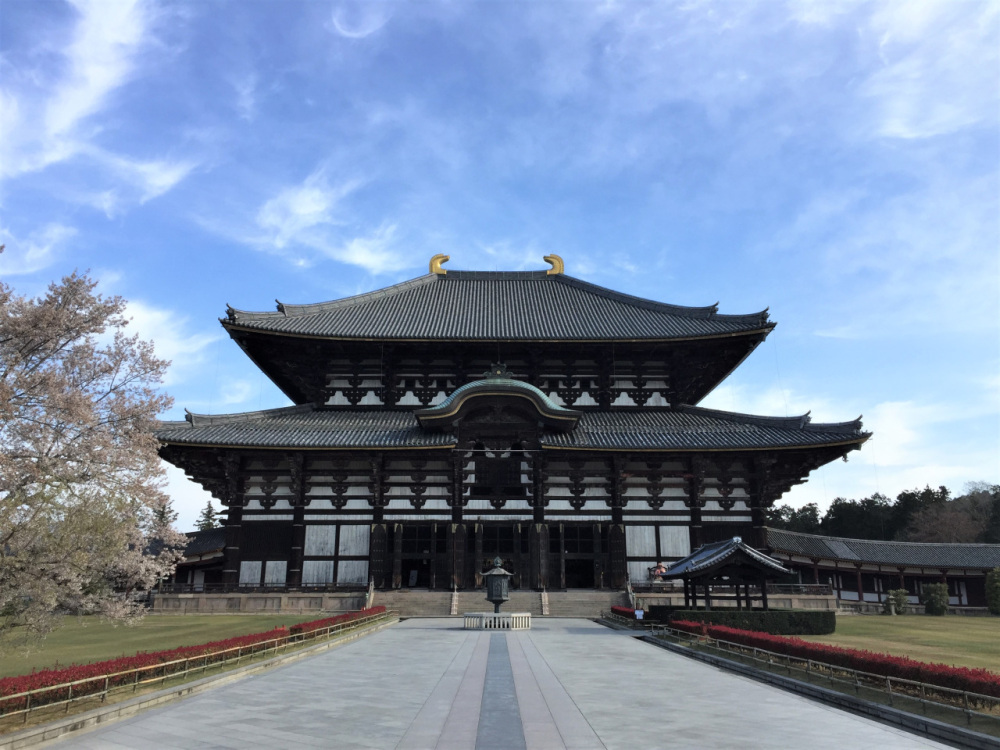
The Kohfukuji Temple was one of the seven most prominent temples of the Nara era and a tutelary temple of the Fujiwara clan, the most influential clan in Japanese history. Nara largely owed its prosperity to the temple's development.
In 710, the Fujiwara clan transferred the predecessor of the present Kohfukuji Temple from Asuka to the Nara capital. Then, the temple extended its influence with the Fujiwara family's prosperity even after the capital moved to Kyoto. The war in 1180 burned down most of the temple, however, in later years, Kohfukuji eventually became the practical ruler of Yamato Province (present Nara Pref.) until the 16th century. They were so influential that they repeatedly appealed to the Imperial Court in Kyoto with soldier monks.
The vast precincts of the temple include the Chukon-do Hall, the Tokon-do Hall, the Hokuen-do Hall, the Nan'en-do Hall, the Five-storied Pagoda, the Three-storied Pagoda, and the Treasure Hall, some of which were constructed in and after the 13th century. As for Buddhist sculptures, many famous articles and masterpieces of the Nara era exist. The most famous statue is the Asura Statue.
The five-story pagoda is currently undergoing long-term repair work and cannot be seen from the outside.
Related articles
- Why are there deer in Nara Park? Learn how to interact with them, tourist etiquette, and historical background.

- https://narashikanko.or.jp/en/feature/deer
- Nara for first-timers - a thorough guide to Nara City, from history, highlights, and the popular, to hidden gems! Recommended sightseeing spots, gourmet food, access information, and more.

- https://narashikanko.or.jp/en/feature/narashi
- Special feature on the proper etiquette to observe when visiting Shinto shrines and temples: What are the differences between temples and shrines? What must you avoid doing? This feature explains all these and more!

- https://narashikanko.or.jp/en/feature/manner
- Find out all about the attractions of Nara Park, from recommended ways to go around it, to the gourmet highlights and accommodations nearby.

- https://narashikanko.or.jp/en/feature/narapark
- Nara's World Heritage Sites

- https://narashikanko.or.jp/en/feature/world-heritage
- The most photogenic "New Eight Scenic Views of Nara" from the World Heritage Site, "Historic Monuments of Ancient Nara".
- https://narashikanko.or.jp/en/feature/shinnantohakkei
Related itineraries
- Itinerary for 2 days and 1 night from Hōryūji to Nara Park to feel the history of Asuka and Nara Periods.

- https://narashikanko.or.jp/en/course/detail_11.html
- Itinerary for 3 days and 2 nights to enjoy Kyoto, Nara, and Osaka to the fullest

- https://narashikanko.or.jp/en/course/detail_13.html
- Nara Camera Trip! Itinerary for 2 days and 1 night to visit photo-worthy spots in the ancient capital

- https://narashikanko.or.jp/en/course/detail_15.html
- Walking around World Heritage Sites in Nara to Fully Enjoy Its Attractive Features

- https://narashikanko.or.jp/en/course/detail_28.html
Events
General Information
- Address
- 48 Noborioji-cho, Nara City, Nara
- contact details
- +81-742-22-7755
- Times
- open from 9:00 a.m. to 5:00 p.m. (Last entry is at 4:45 p.m.)
- Closed
- Open all year
- Access
- 5 minute walk from Kintetsu Nara Station
From JR Nara Station, take the city loop bus for 5 minutes and get off at "Kencho-mae." The destination is right there. - Admission/Worship Fees (Individual)
- ■Treasure Hall Entrance Fees:
Adults (General/University Students): 700 yen
Students (Junior High/High School): 600 yen
Children (Elementary School Students): 300 yen
■ Eastern Golden Hall(Tokon-do) Entrance Fees: ※Closed
Adults (General/University Students): 300 yen
Students (Junior High/High School): 200 yen
Children (Elementary School Students): 100 yen
■Central Golden Hall (Chukon-do) Entrance Fees:
Adults (General/University Students): 500 yen
Students (Junior High/High School): 300 yen
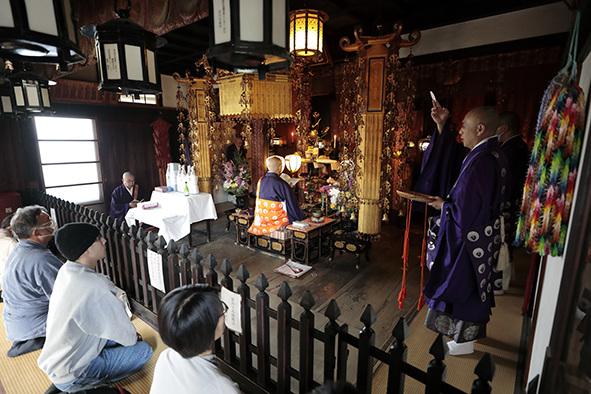
Children (Elementary School): 100 yen - Events
- Tsuinae: February 3, 18:30–20:00
Nehane: February 15, 10:00–11:00 (Nehan-zu Display: 9:00–16:00)
Busshoe: April 8, 9:00–16:00 (Ceremony: 10:00–11:00)
Hojoe: April 17, 13:00–
Monjue: April 25, 15:00–
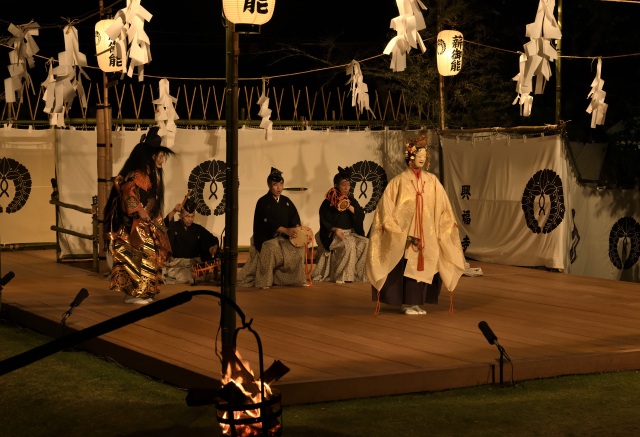
Takigi-o-noh: Third Friday and Saturday in May, 17:30–
Benzaiten Festival (Three-Story Pagoda Open): July 7, 10:00 (Open: 9:00–16:00)
Daihannyae (Nan'en-do Open): October 17, 13:00– (Open: 9:00–17:00) - Seasonal Flower Information
- Wisteria: Early May
- National Treasure
- The Five-Storied Pagoda, Hokuendo, the Three-storied Pagoda and others
- Special Opening
- July 7: Three-storied Pagoda
October 17: Southern Round Hall - Website