What to see &do
- Nara Park
- /en/spot/detail_10089.html
- Nara National Museum
- /en/spot/detail_10043.html
- Naramachi Koshi-no-Ie (lattice house)
- /en/spot/detail_10101.html
- Mount Wakakusa
- /en/spot/detail_10108.html
Nara's most famous temple, featuring its principal image, the Vairocana Buddha, is known worldwide as the Great Buddha of Nara.

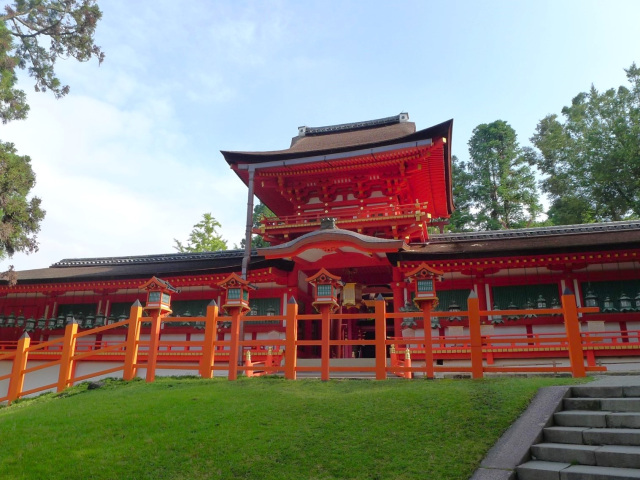
The shrine of the Fujiwara clan associated with the legend of the divine deer.
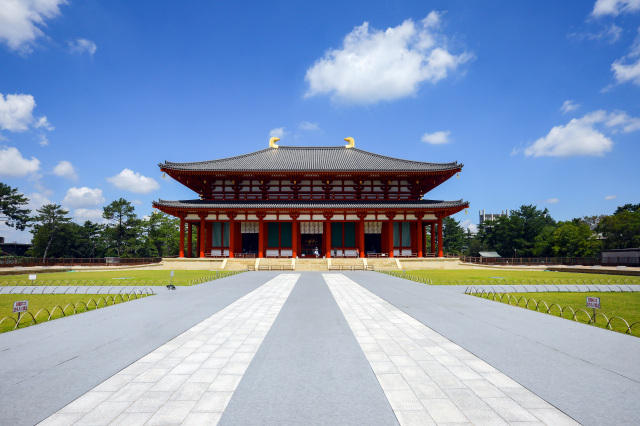
The prosperity of Nara is deeply linked to the development of this temple.
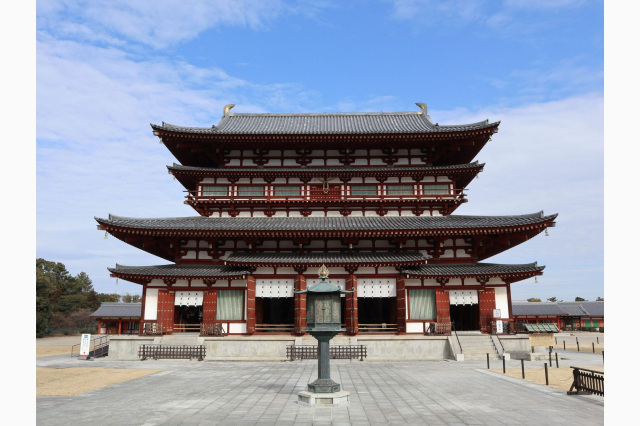
Established in 680, the unique layout known as Yakushiji-style is also referred to as "Ryugu-zukuri" (Dragon Palace style).
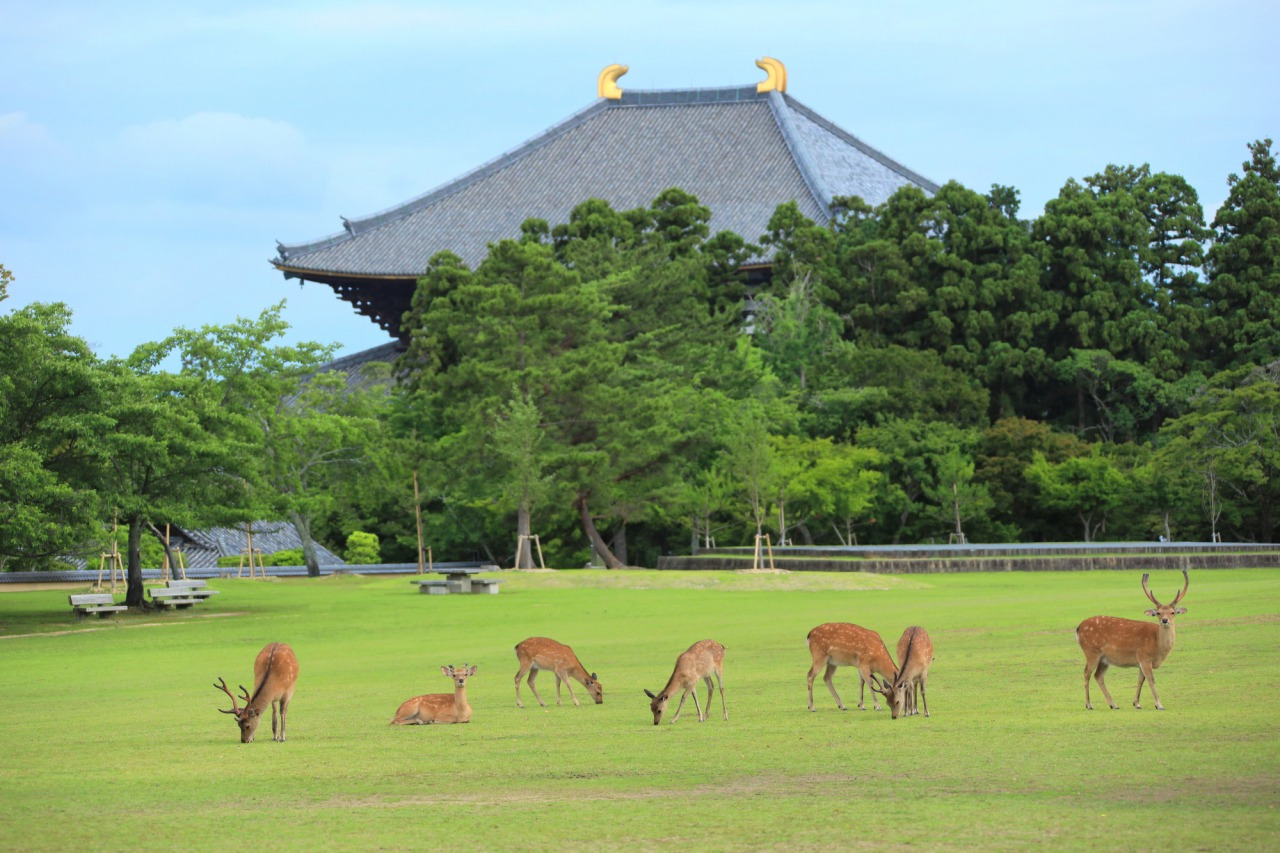
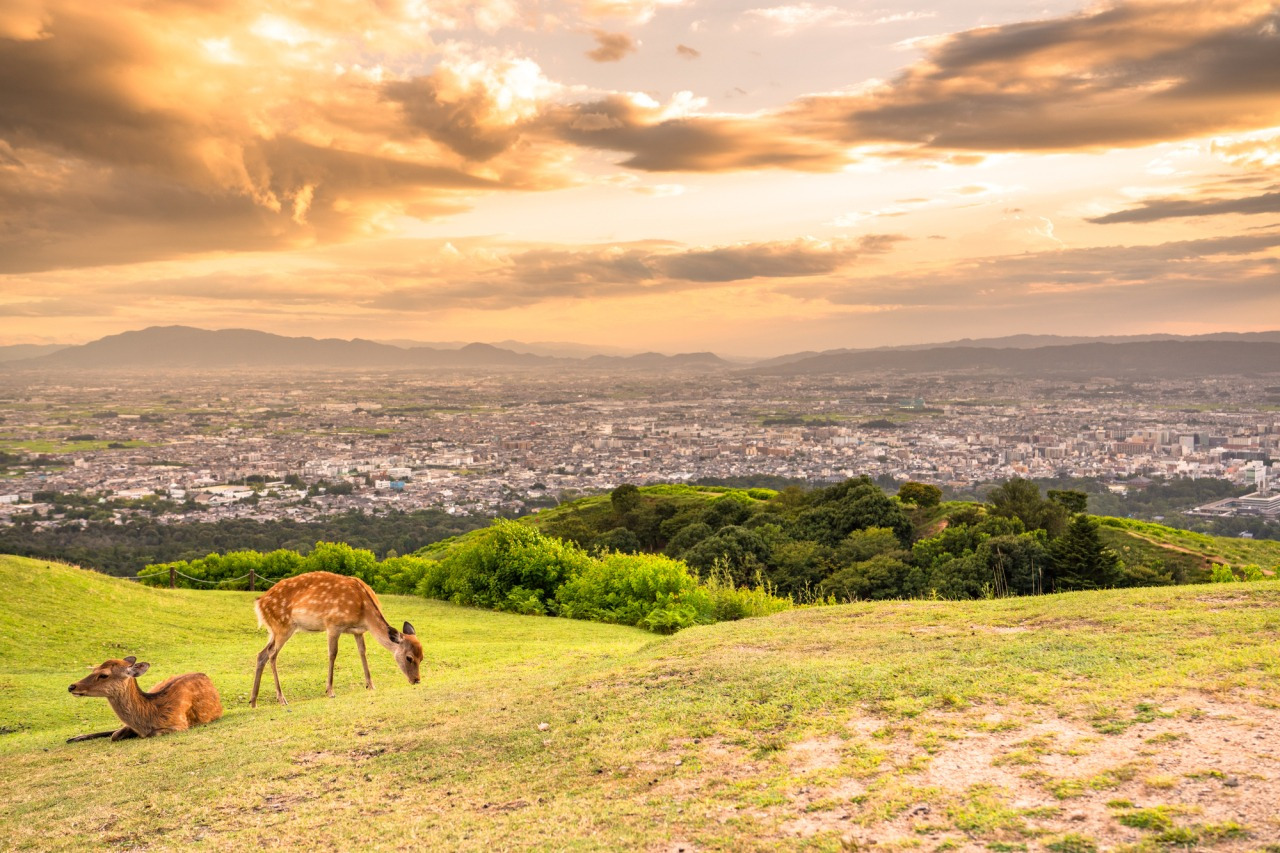
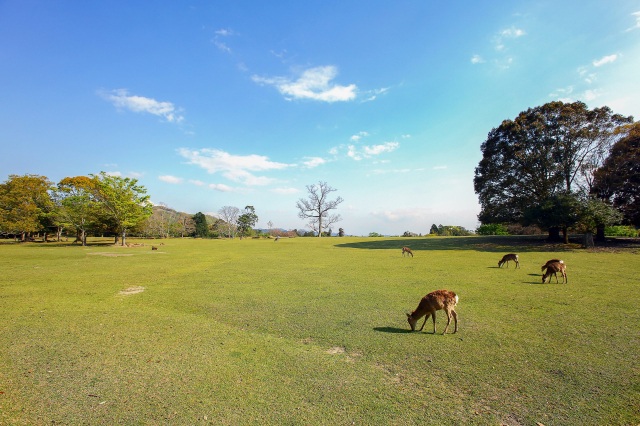
Vast grassy area of Kasugataisha Shrine where herds of deer playing freely
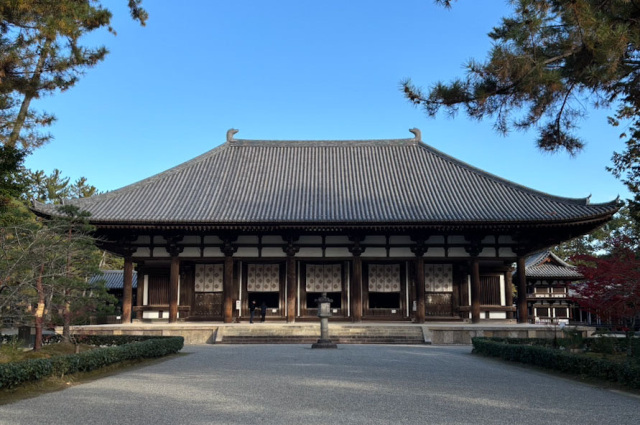
Founded by the Chinese monk Ganjin, who overcame hardships to come to Japan and spread the correct precepts of Buddhism.
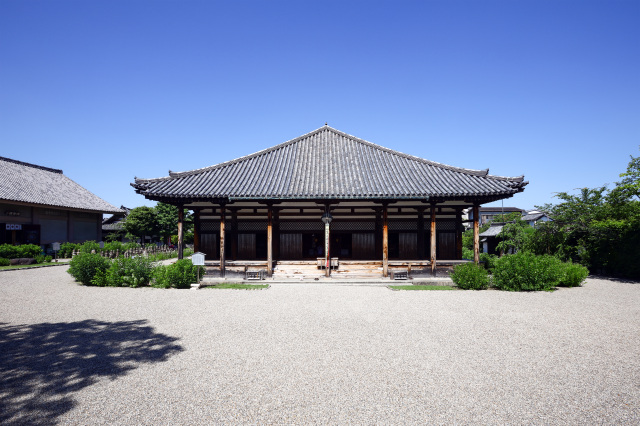
World Heritage Site: Japan's first Buddhist temple is located in the heart of Naramachi.
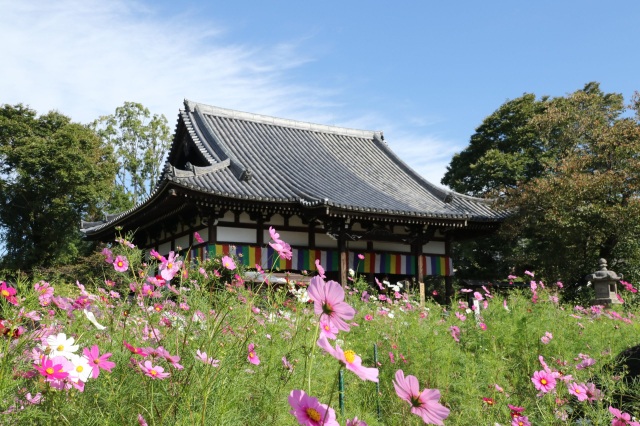
The ancient temple guards the northeast, which is considered unlucky for Heijo-kyo Capital, and is renowned for its vibrant flowers.
Japan's oldest Tenmangu Shrine, dedicated to Sugawara no Michizane and his ancestors.
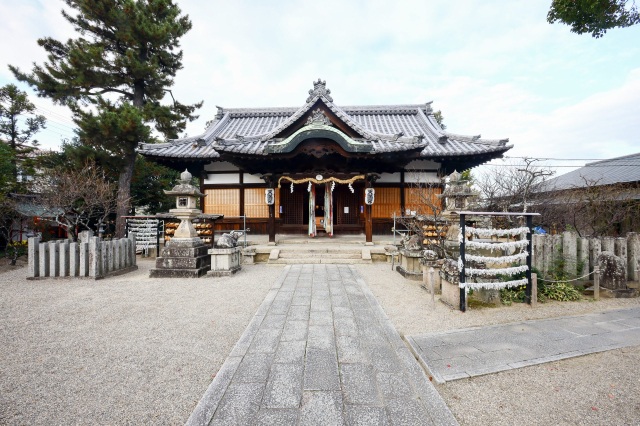
Guardian deity of Naramachi, established to honor the spirits of Princess Inoue, who died under intriguing accusations.
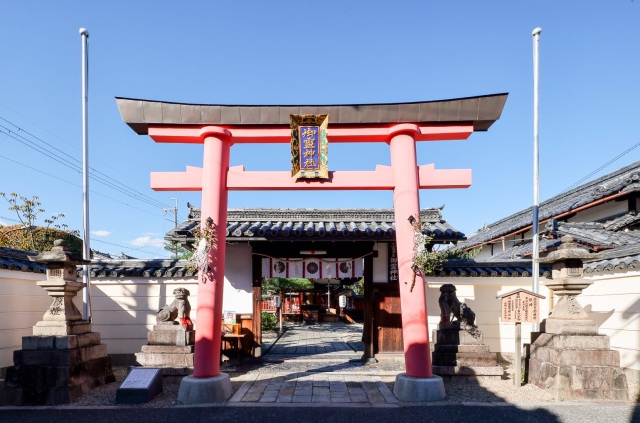
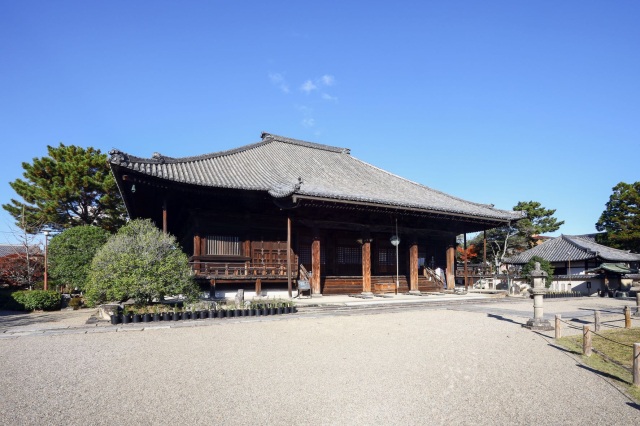
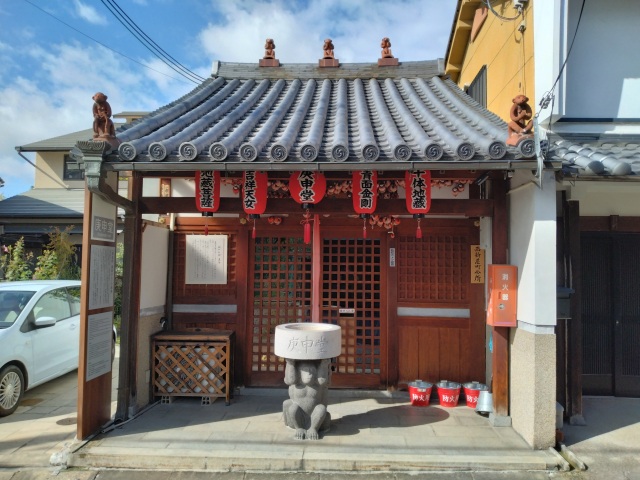
Center of "Koshin Faith" : People would gather here and pray for good every 60 days.
The origin of higan, and one of two great Goryo Shrines in Nara that are dedicated to Prince Sawara
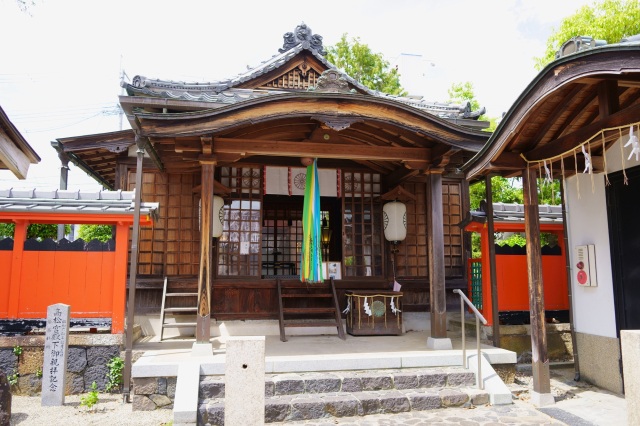
Known as the birthplace of Japanese sake : essential technologies for sake brewing were established here.
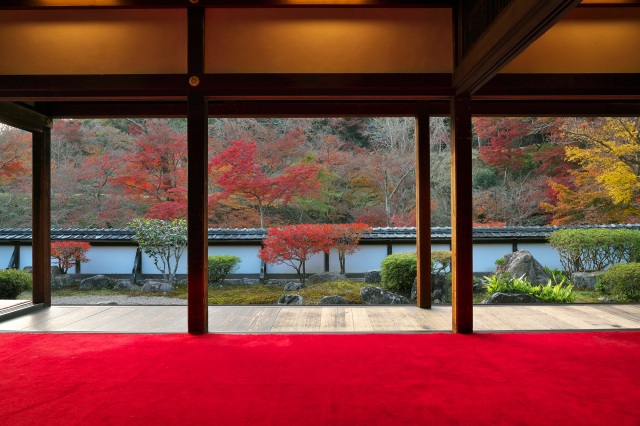

The shrine that hosts the annual harvest moon festival (Uneme-matsuri Festival)
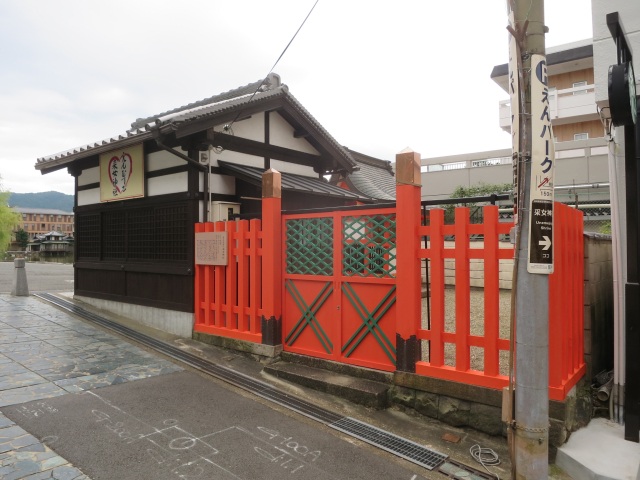
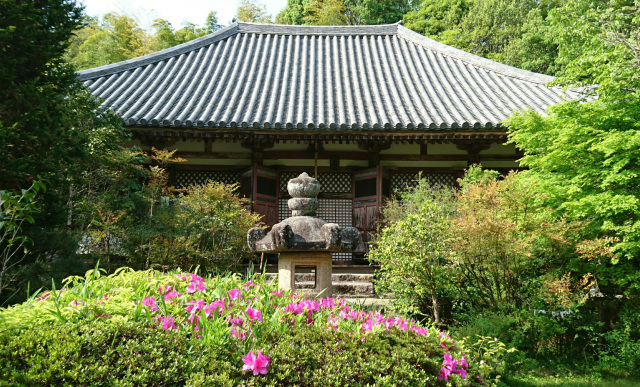
The roots of Nohgaku: A rare Okinamai dance performed by three Okina performers
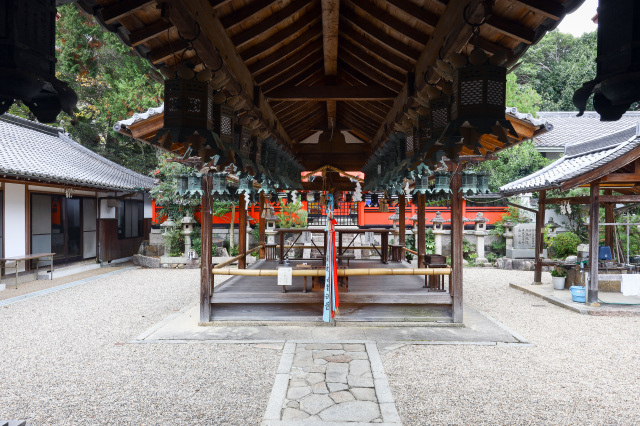
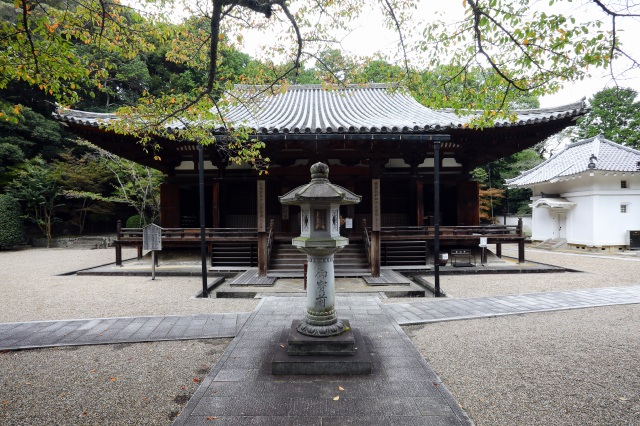
Established by imperial order in 858, this temple has attracted many believers as a place to pray for safe childbirth and fertility.
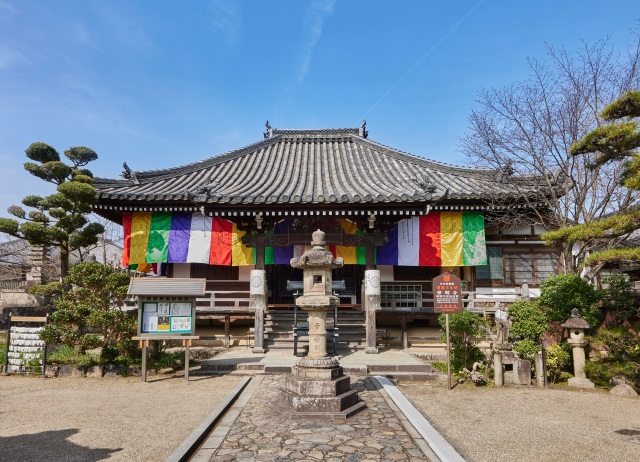
The temple serves as the base for Gyoki’s missionary activities, with its main hall said to be the prototype for the Great Buddha Hall of Todaiji.
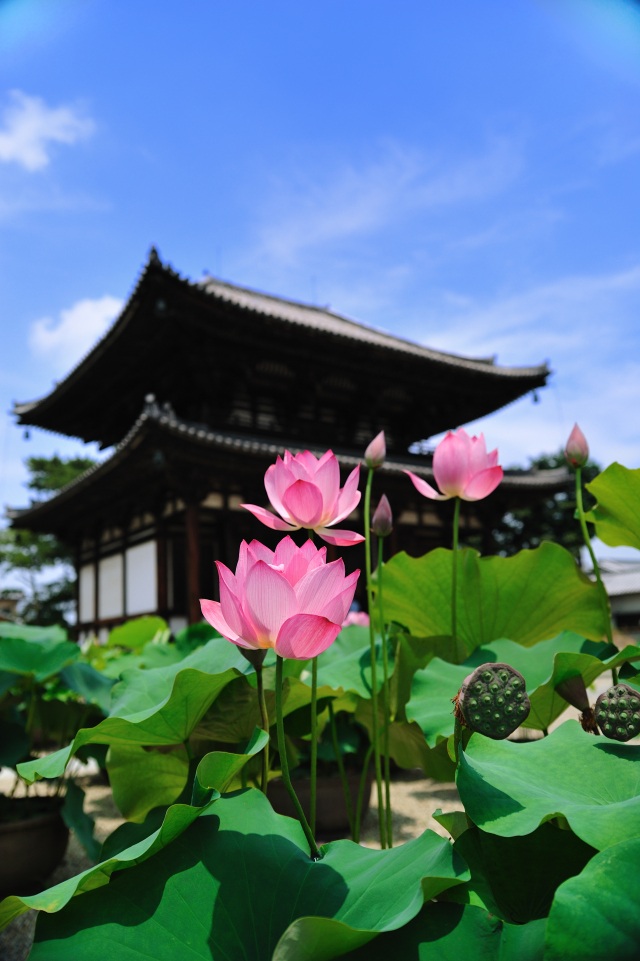
The temple, with its deep historical and cultural significance, provides a tranquil and reflective experience.
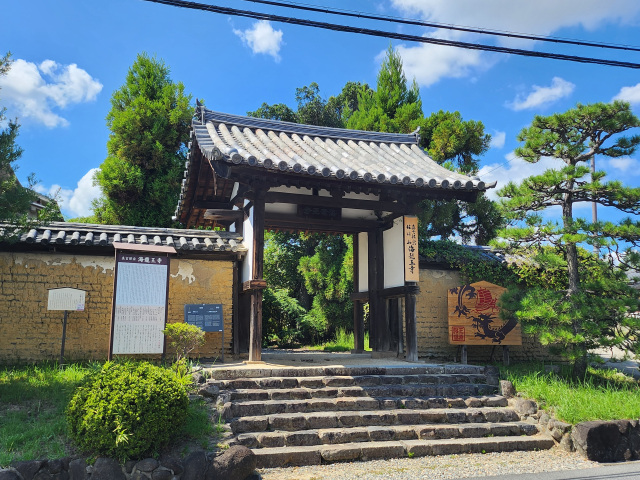
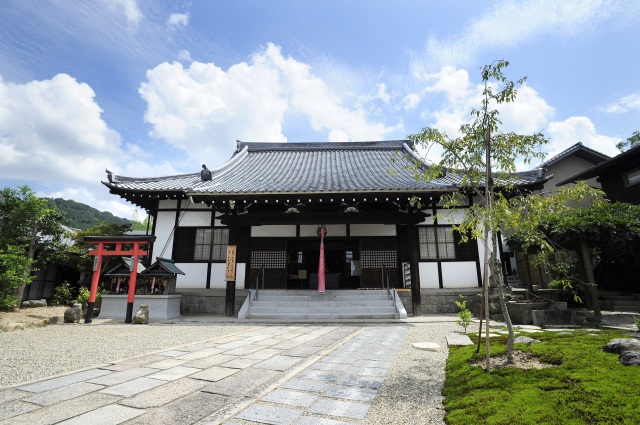
The family temple of the Yagyu clan is a renowned location for cherry blossoms and autumn leaves, overlooking the village of Yagyu.
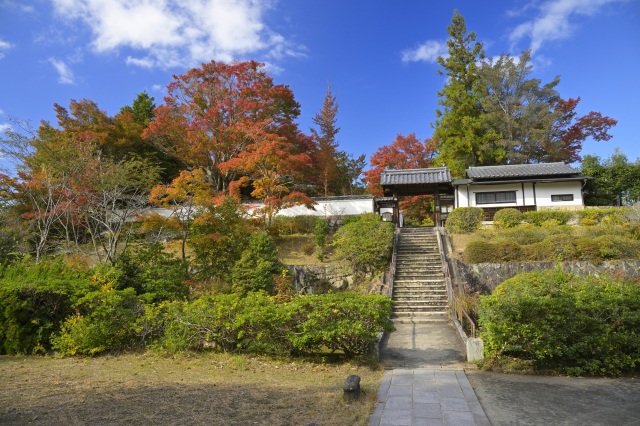
A temple associated with Murata Juko, known as the founder of the wabi-cha style of tea ceremony
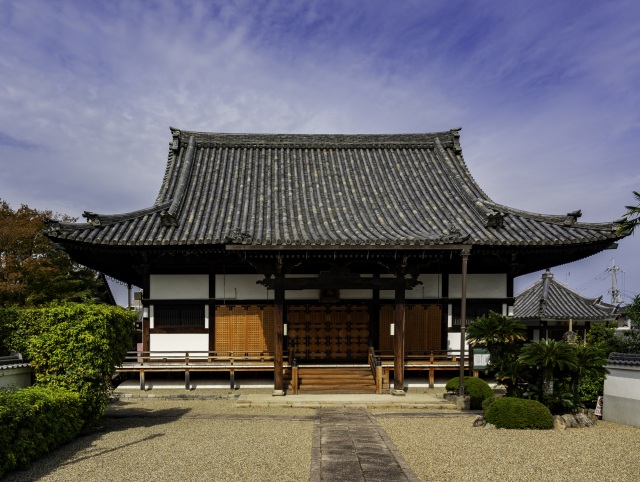
Empress Komyo designated Hokkeji as the head of a national system of convents.
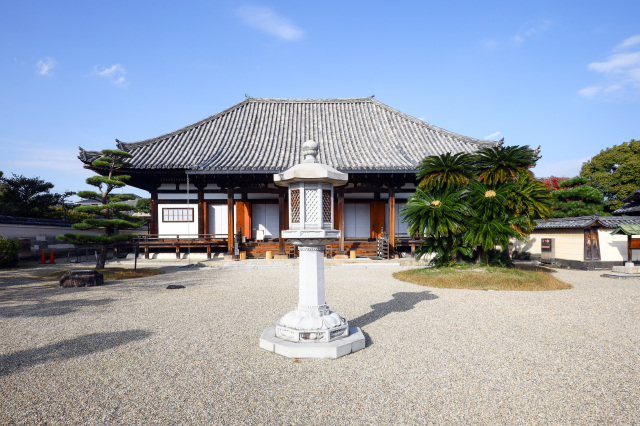
Located on the mountainside of Mount Kokuzo in the middle of Yamanobe Kitamichi, commonly known as "Takahi no Kokuzo-san."