What to see &do
- Nara Park
- /en/spot/detail_10089.html
- Nara National Museum
- /en/spot/detail_10043.html
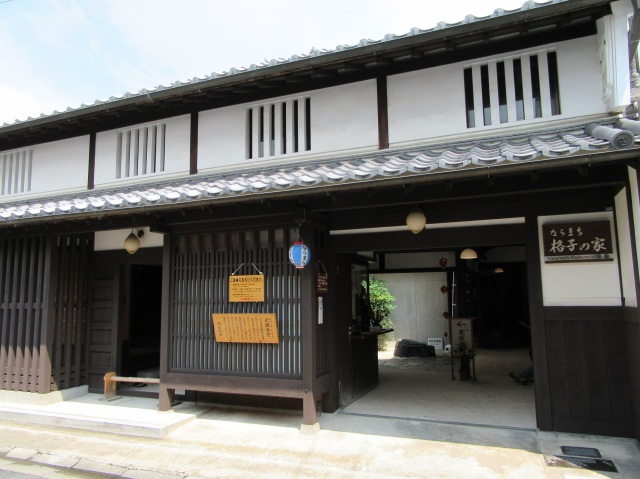
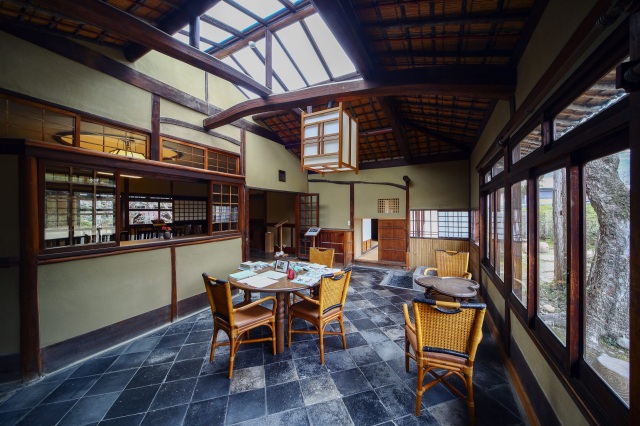
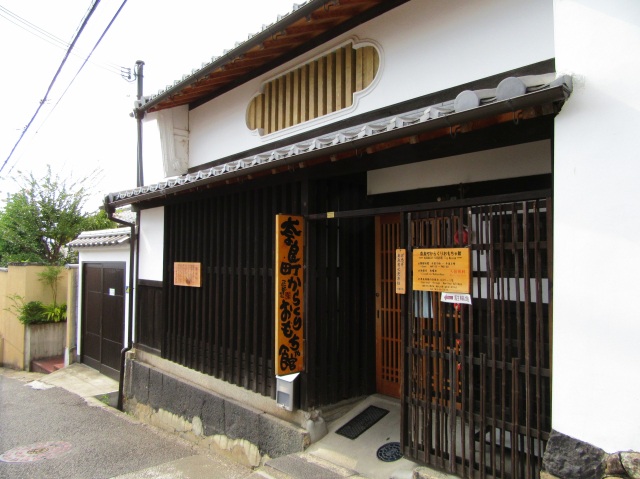
- Naramachi Koshi-no-Ie (lattice house)
- /en/spot/detail_10101.html
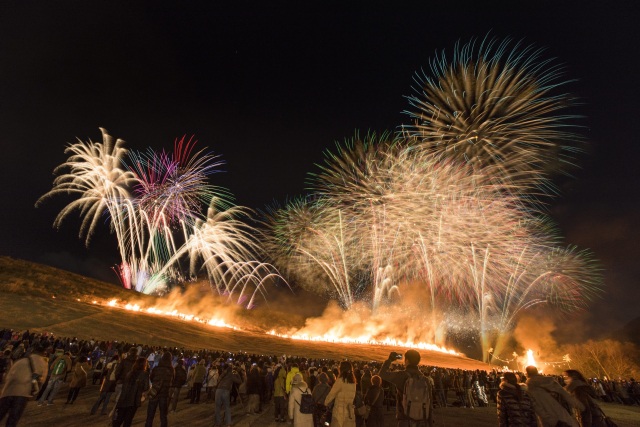
- Mount Wakakusa
- /en/spot/detail_10108.html
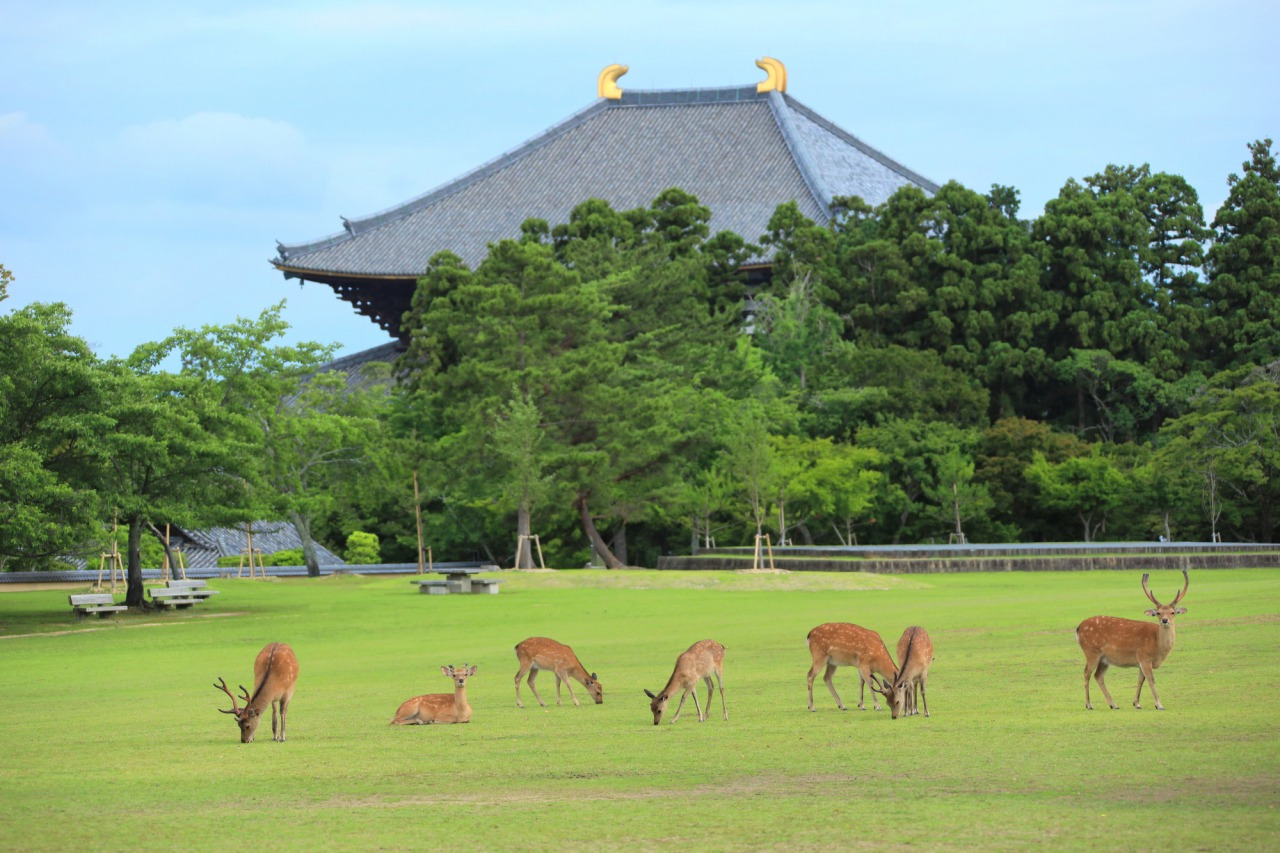
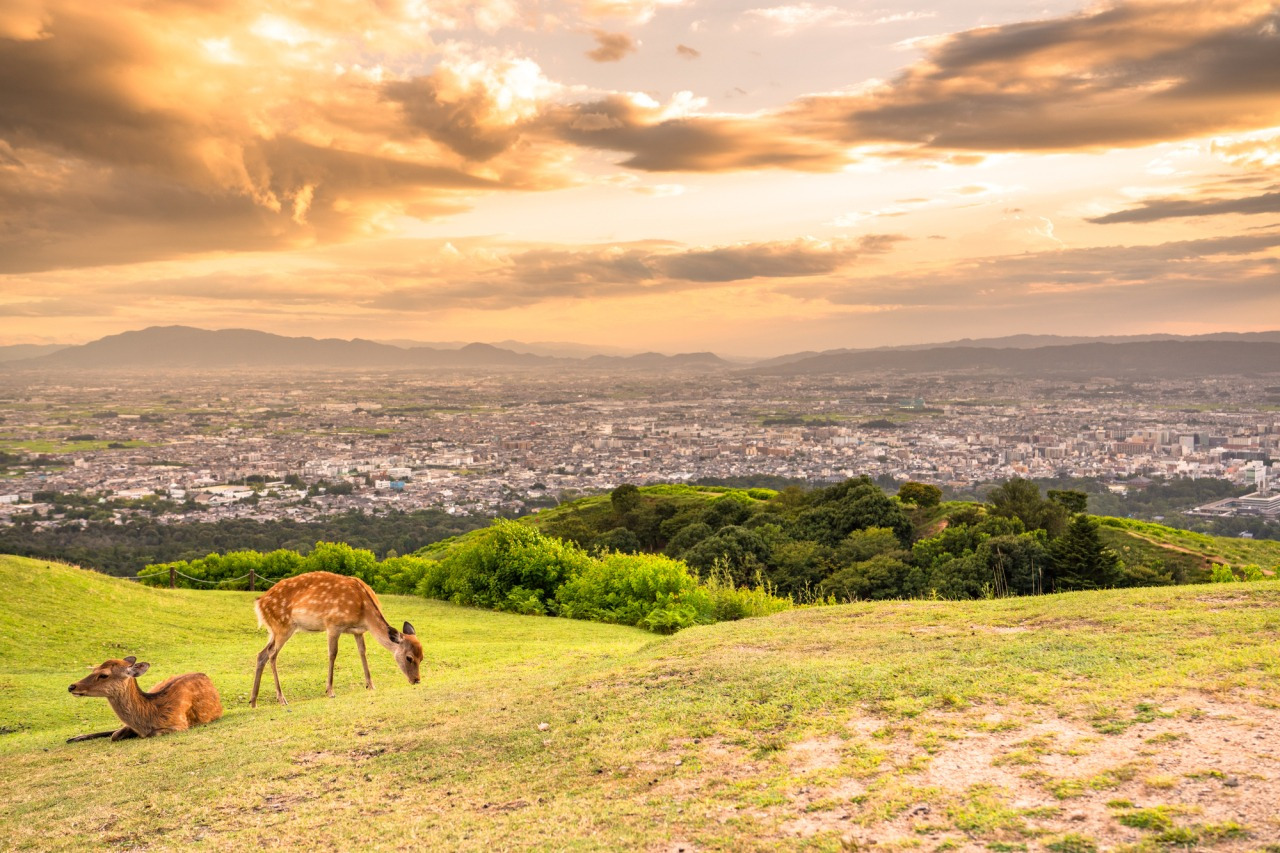
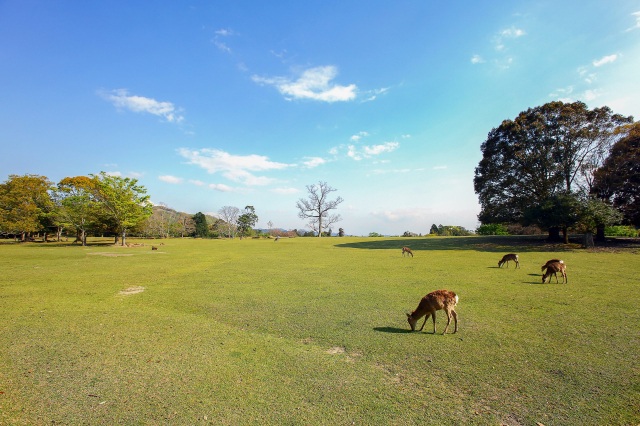
The majestic park, fitting for the ancient capital, harmonizes with beautiful lawns and rich natural surroundings, where 1,300 wild deer draw many visitors.
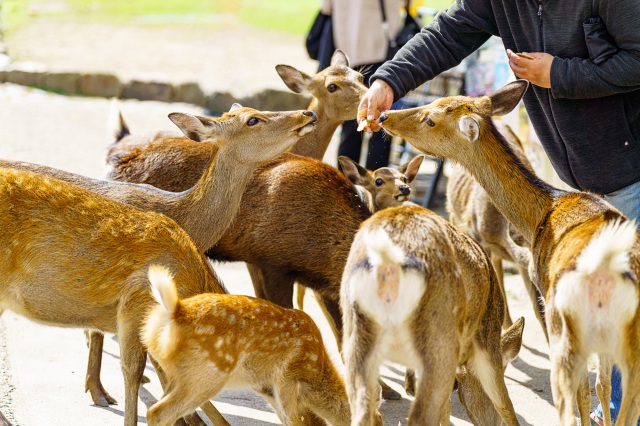
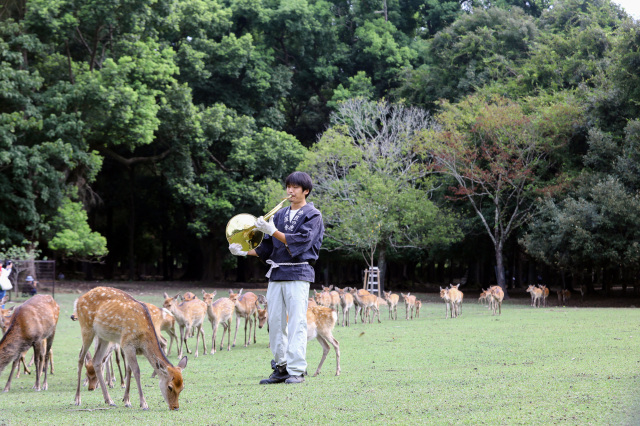
Traditional event for 340 years, symbolizing coexistence between deer and Nara's people.
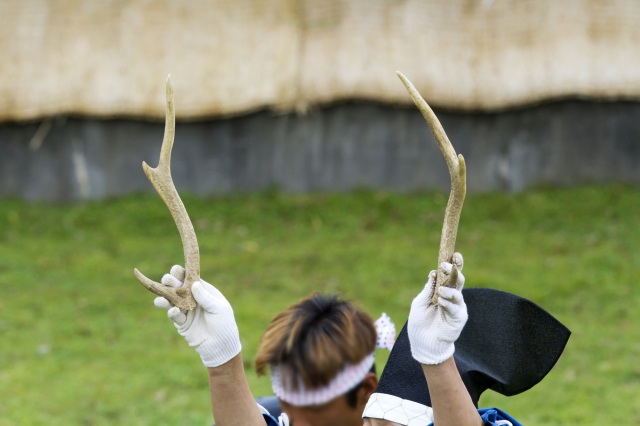
Nara's most famous temple, featuring its principal image, the Vairocana Buddha, is known worldwide as the Great Buddha of Nara.

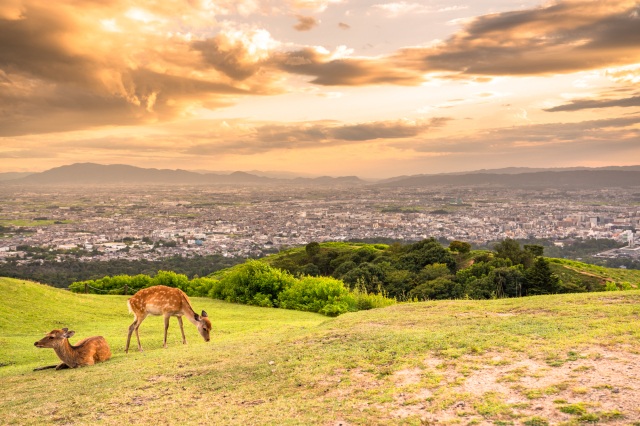
Visitors can enjoy a breathtaking view of the incredible sunsets and night skies from a 342-meter-high mountain.
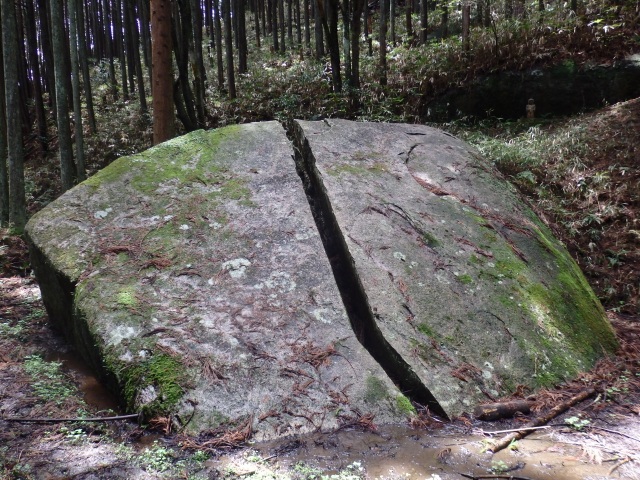
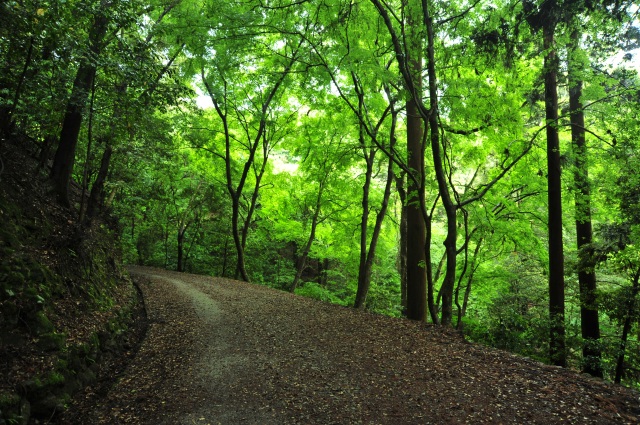
UNESCO World Heritage Site: The felling of trees has been prohibited for over 1,000 years.
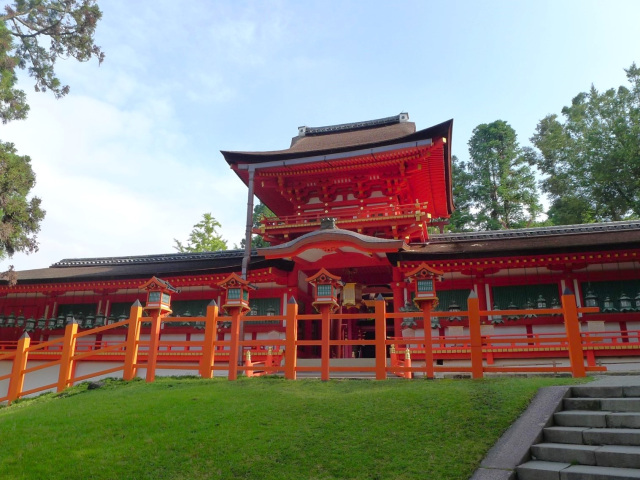
The shrine of the Fujiwara clan associated with the legend of the divine deer.
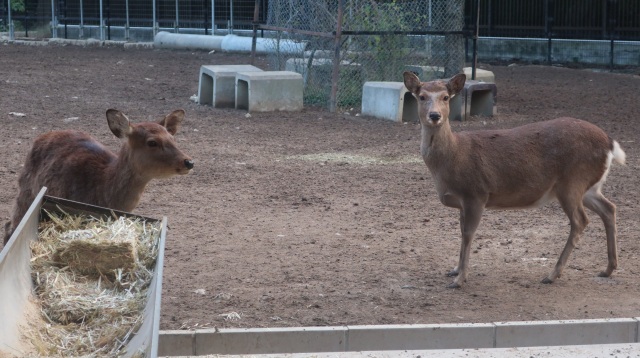
A cozy protection facility for Nara deer, where you can enjoy events like "Fawn Open House" and "Deer Antler Cutting."
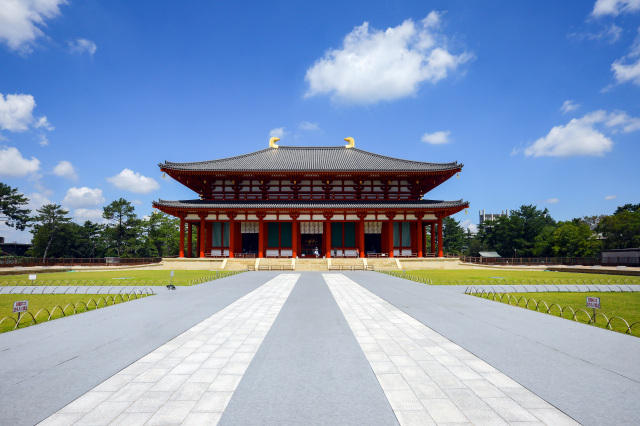
The prosperity of Nara is deeply linked to the development of this temple.
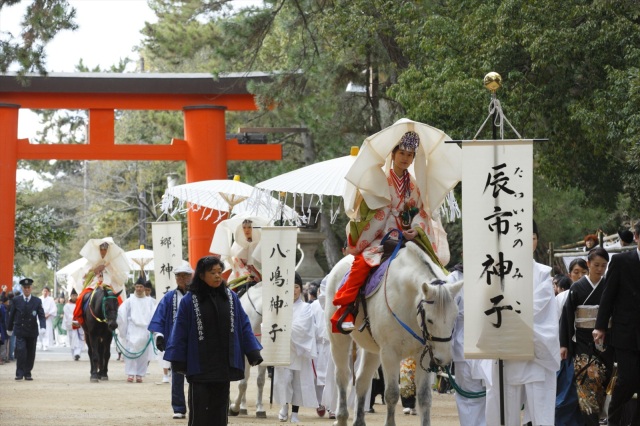
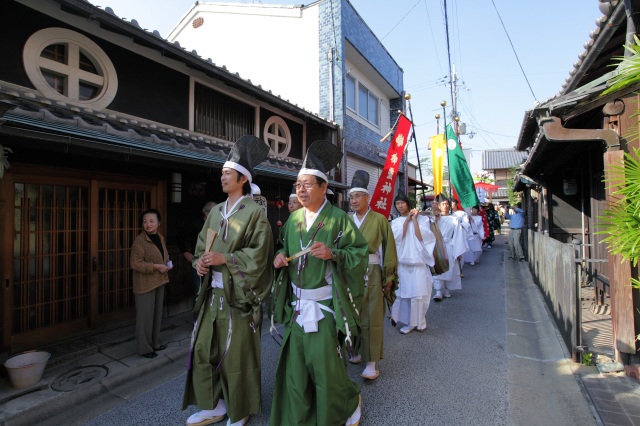
Witness the traditional Shinto rituals and processions that have been practiced uninterrupted for 900 years.
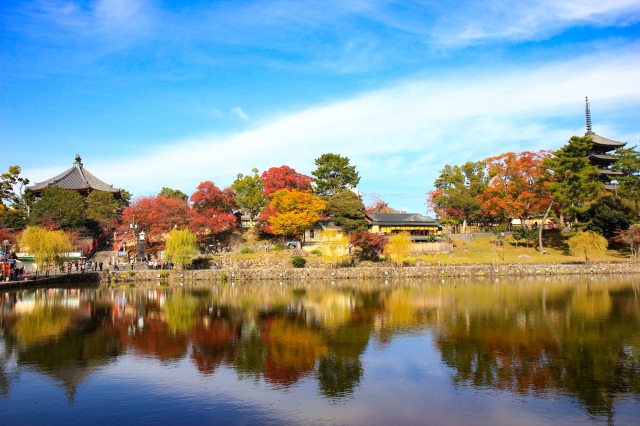
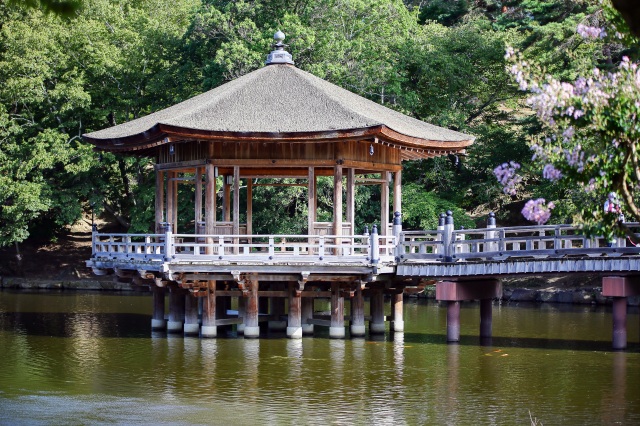
The hexagonal gazebo on Sagi-ike Pond reflects beautifully in the water beneath.
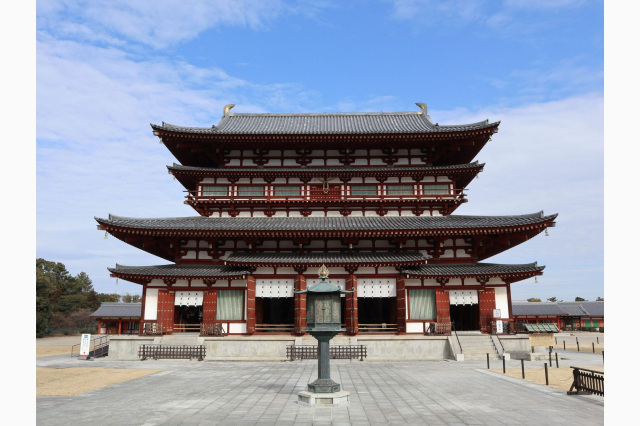
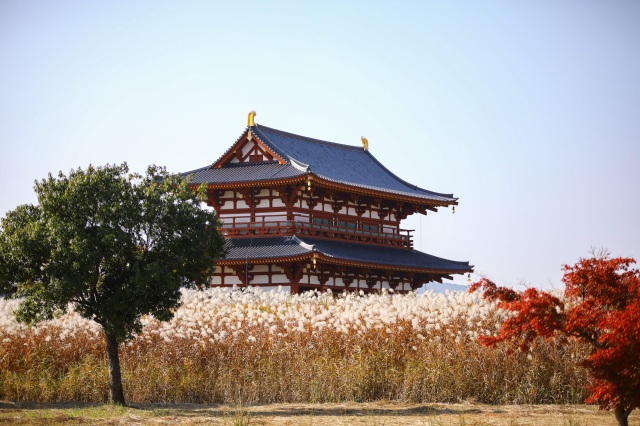
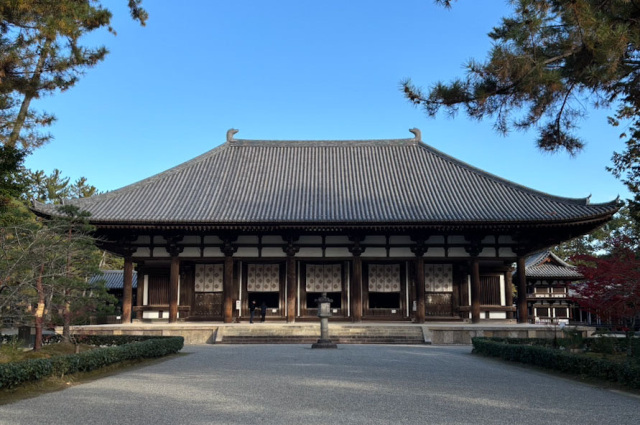
Established in 680, the unique layout known as Yakushiji-style is also referred to as "Ryugu-zukuri" (Dragon Palace style).
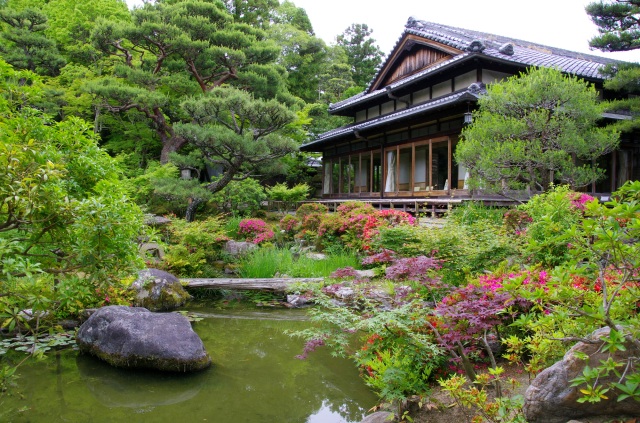
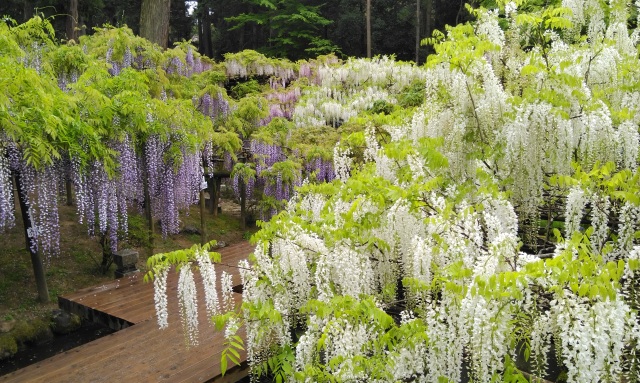
Japan's oldest Man’yo botanical garden featuring wisteria flowers and rustic plants mentioned in the Man’yoshu
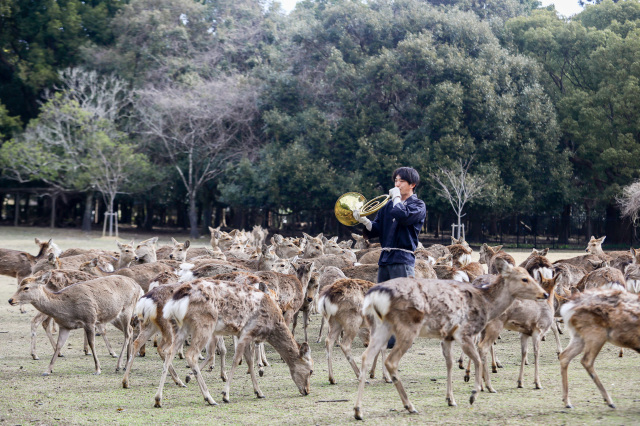
Vast grassy area of Kasugataisha Shrine where herds of deer playing freely
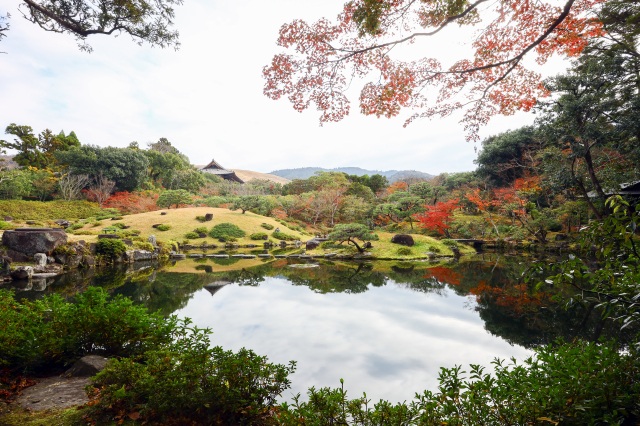
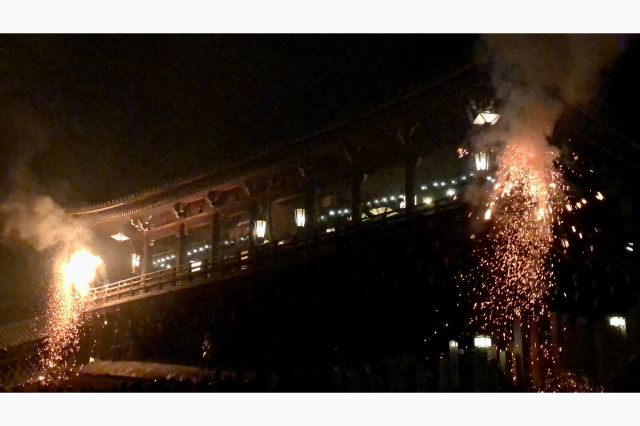
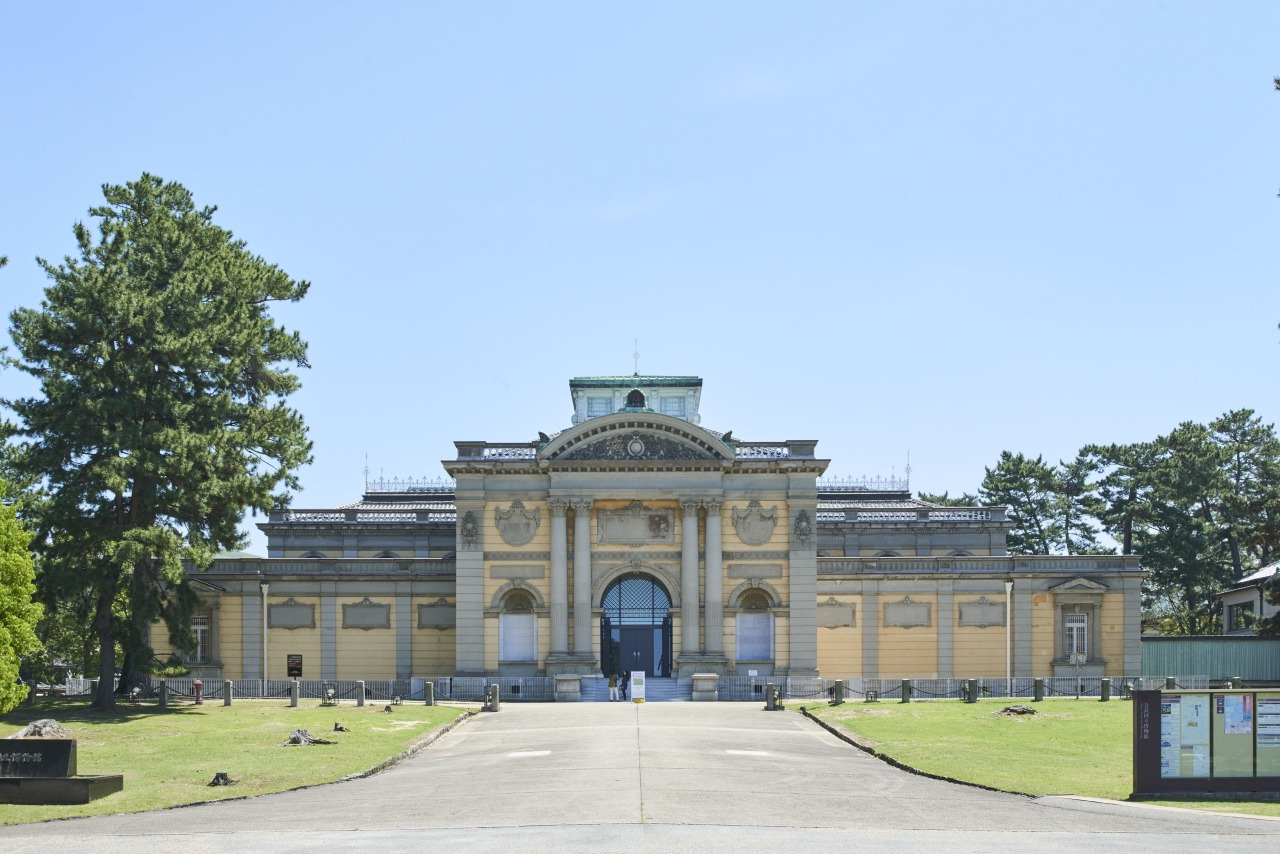
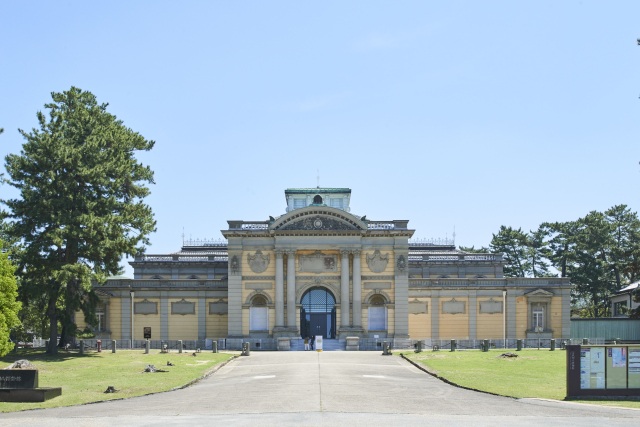
The treasure trove of Buddhist art hosts the "Shosoin Exhibition" every autumn.
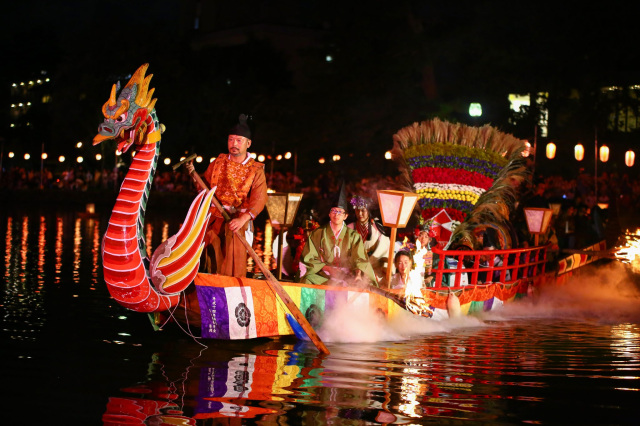
The festival on the harvest moon comforts the spirit of the court lady who sank into the pond.
Founded by the Chinese monk Ganjin, who overcame hardships to come to Japan and spread the correct precepts of Buddhism.
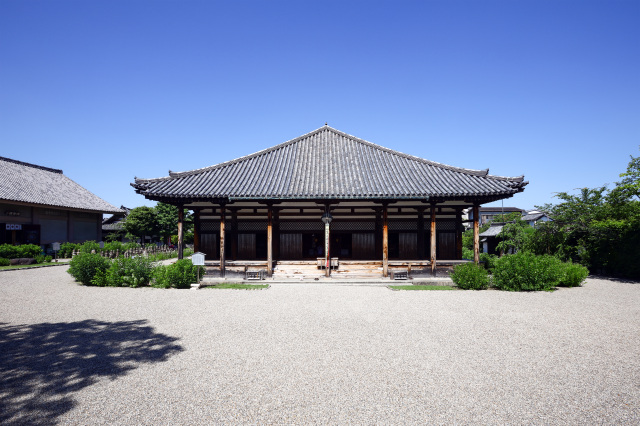
World Heritage Site: Japan's first Buddhist temple is located in the heart of Naramachi.