What to see &do
- Nara Park
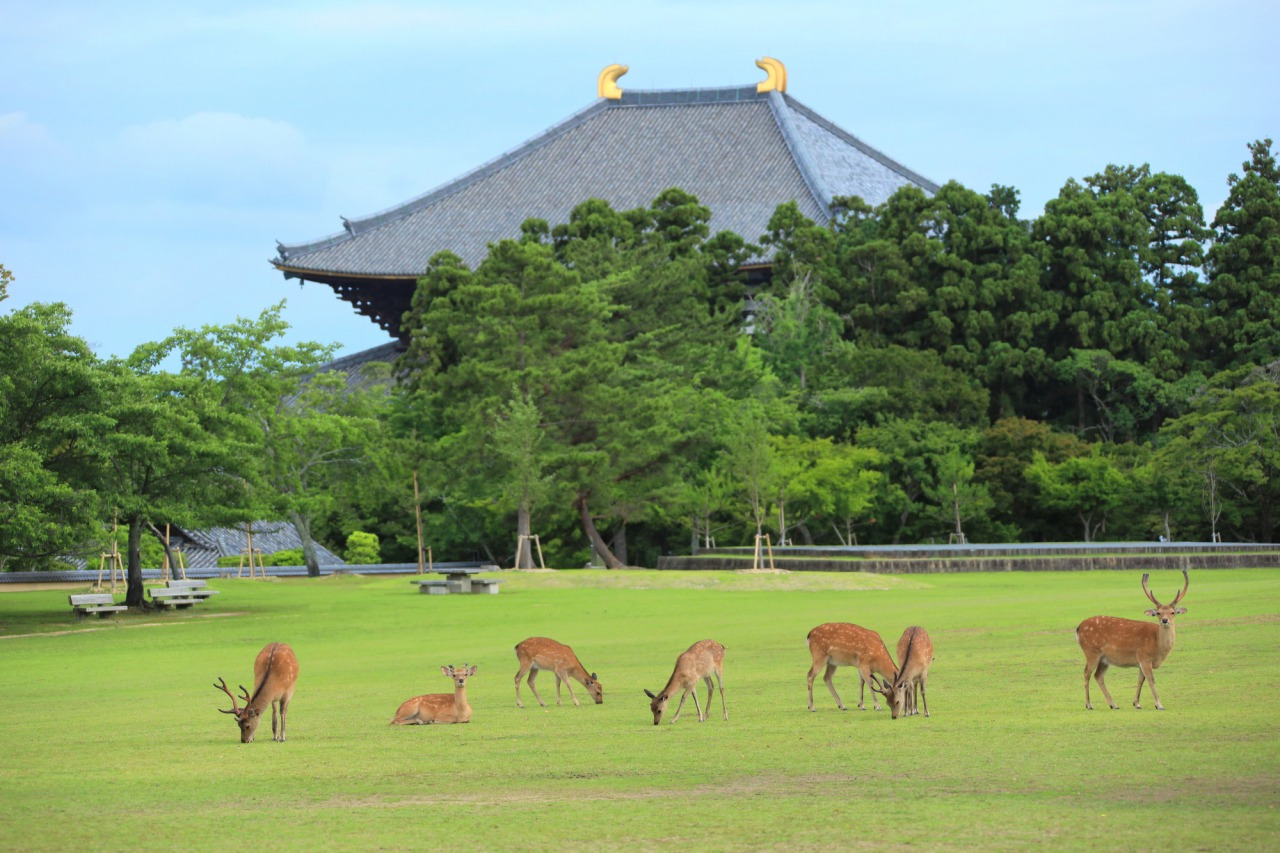
- /en/spot/detail_10089.html
- Nara National Museum
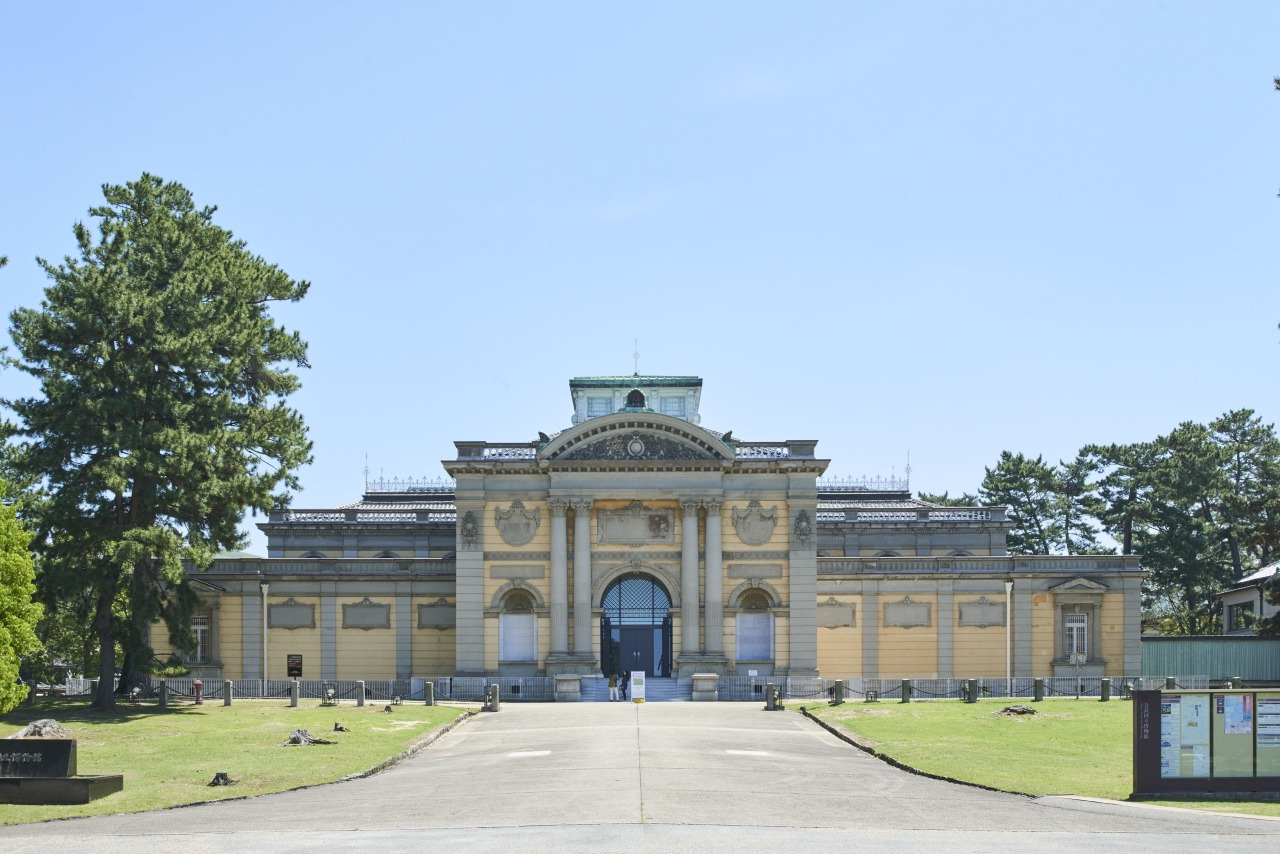
- /en/spot/detail_10043.html
- Naramachi Koshi-no-Ie (lattice house)
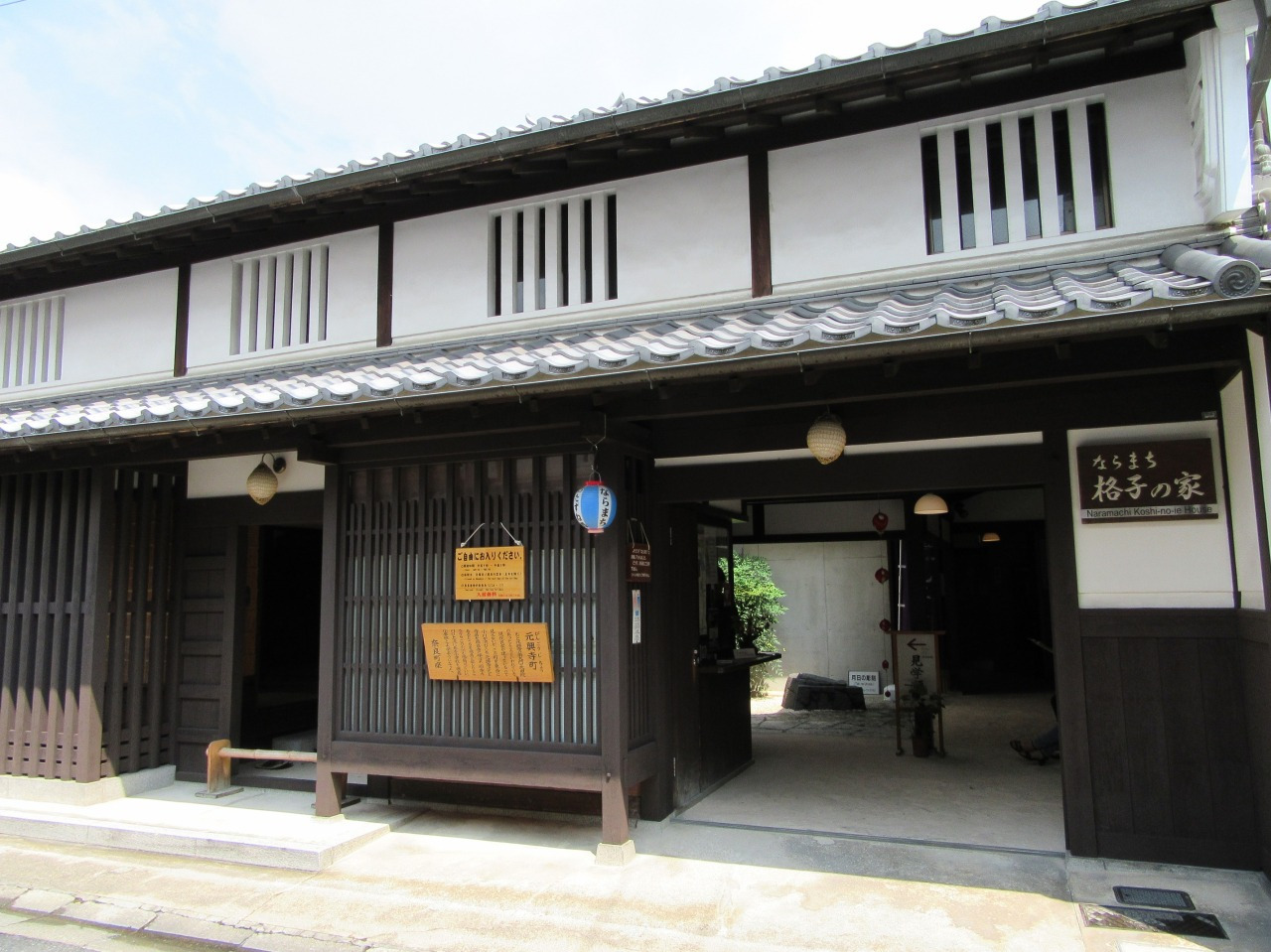
- /en/spot/detail_10101.html
- Mount Wakakusa
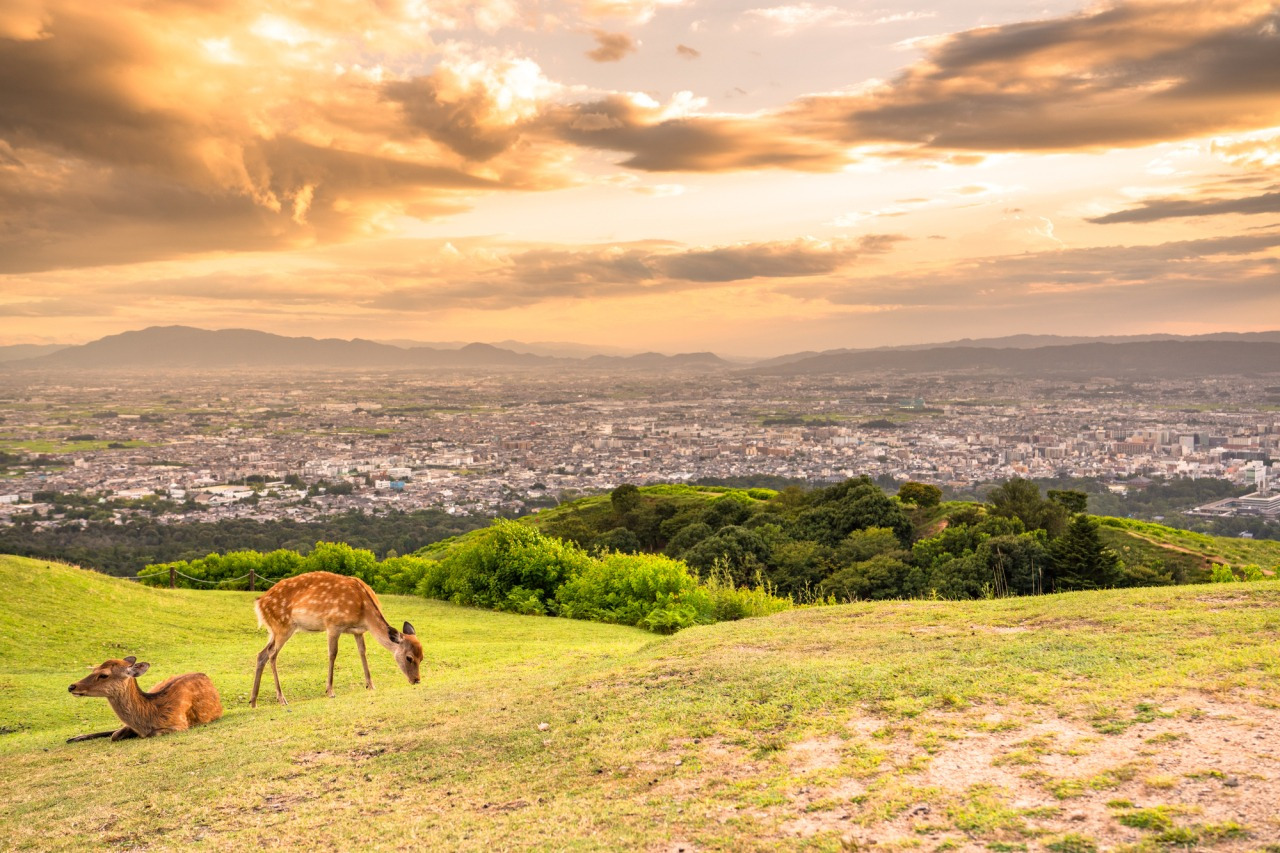
- /en/spot/detail_10108.html
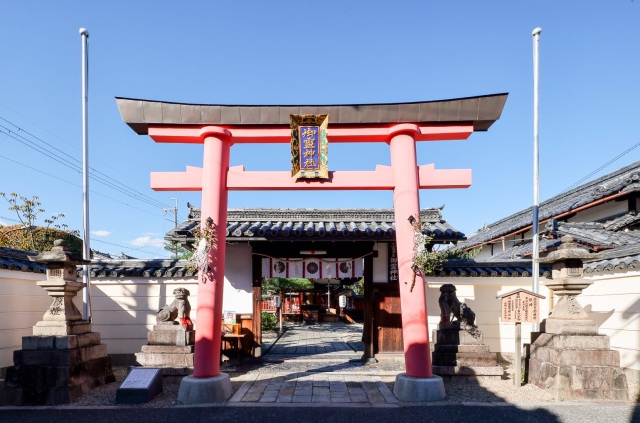
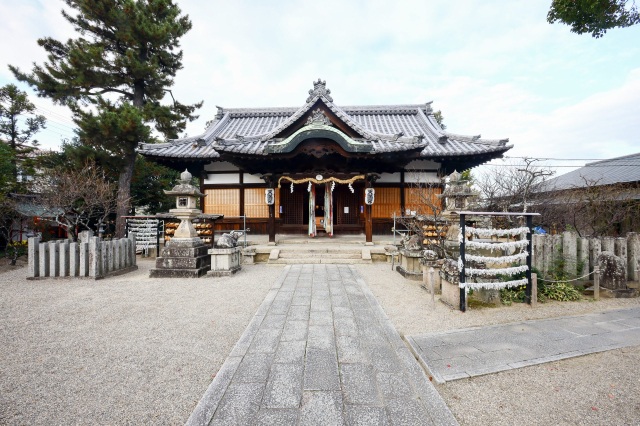
Guardian deity of Naramachi, established to honor the spirits of Princess Inoue, who died under intriguing accusations.
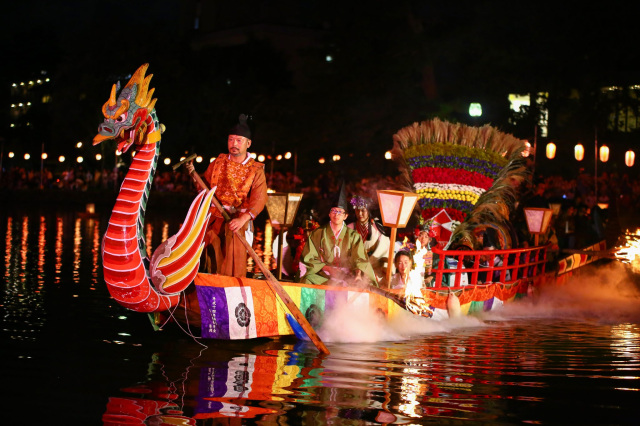
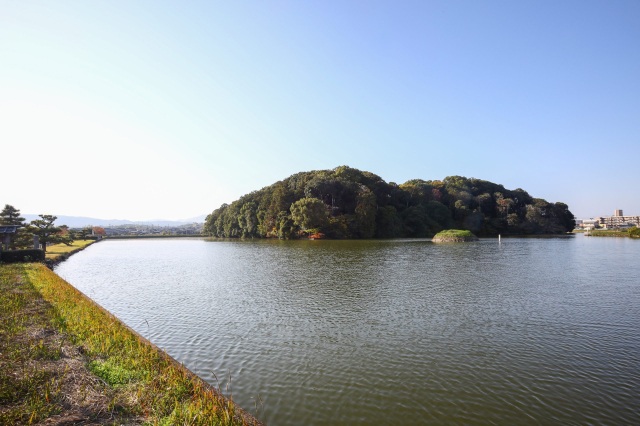
The festival on the harvest moon comforts the spirit of the court lady who sank into the pond.
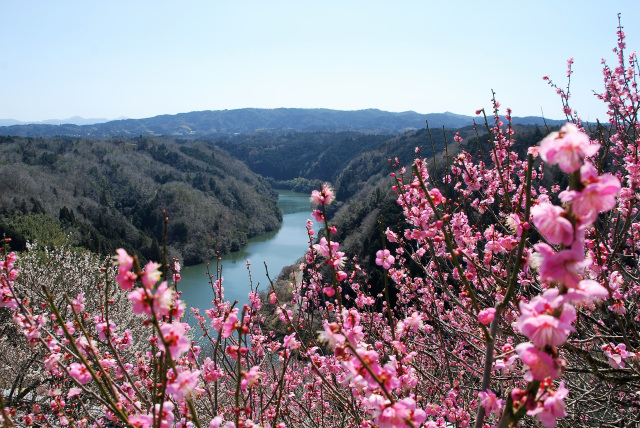
One of Japan's premier destinations for plum blossoms with 10,000 vibrant red and white plum trees
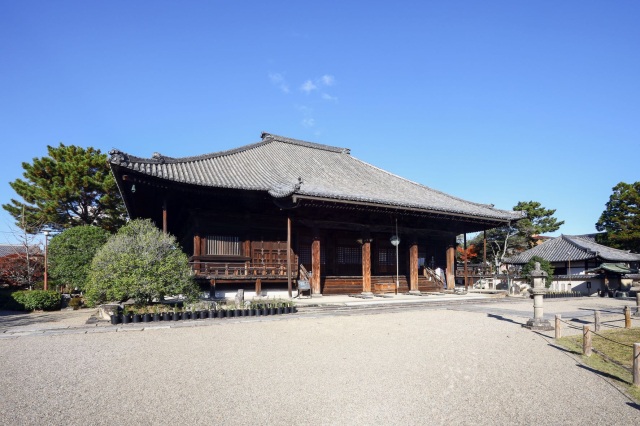
Japan's oldest Tenmangu Shrine, dedicated to Sugawara no Michizane and his ancestors.
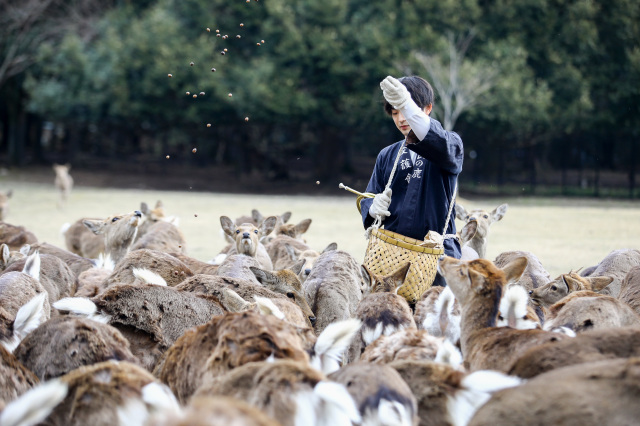
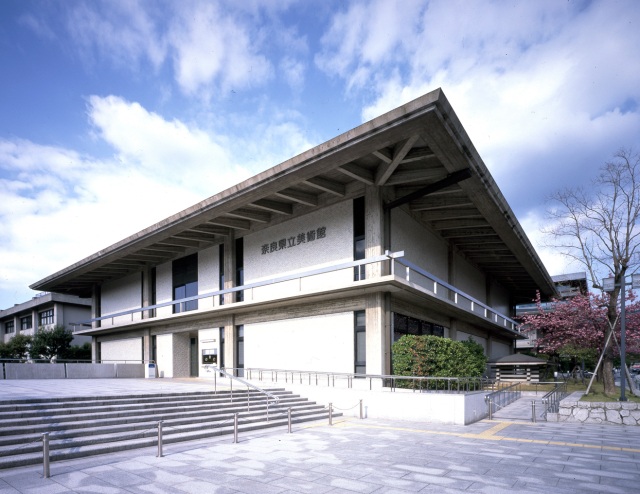
More than 4,100 pieces and features from the Kamakura period to the present day.
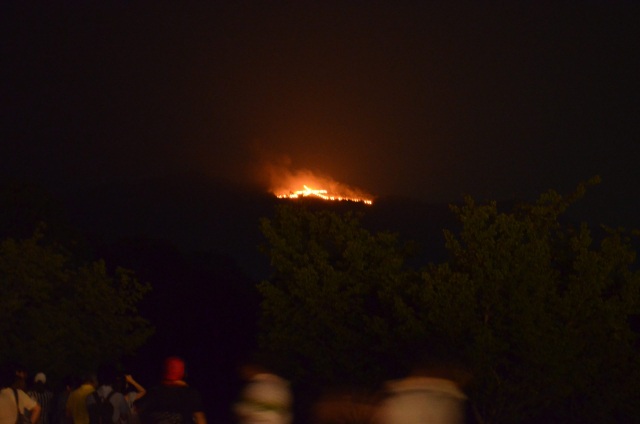
A large bonfire illuminates the night in Nara, honoring those who have passed away and praying for peace.
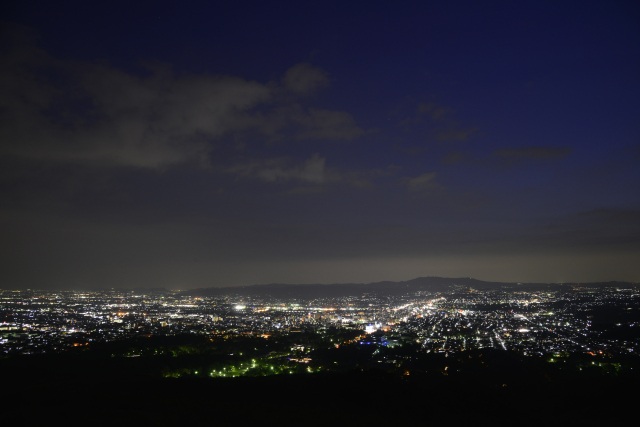
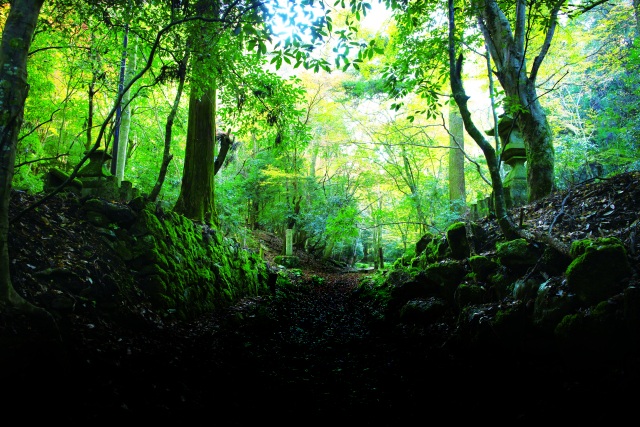
Driving through the Kasugayama Primeval Forest offers stunning views of the changing seasons.
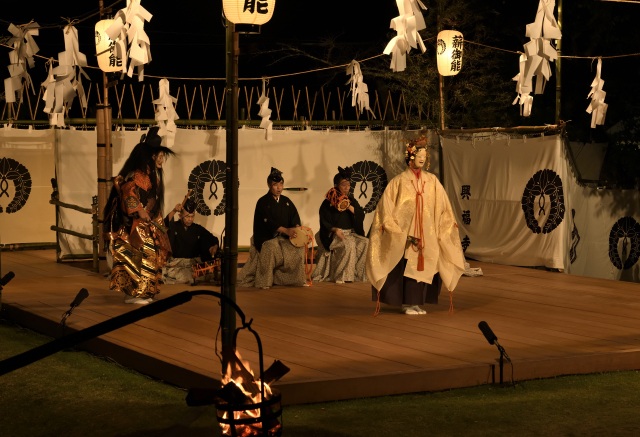
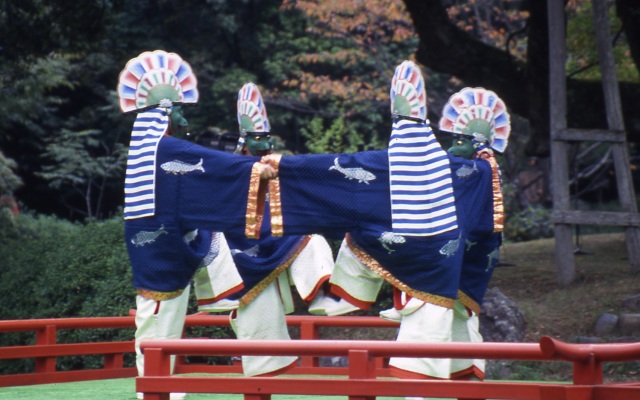
The origins of Japanese takigi-noh: a traditional performing art with over 1,000 years of history
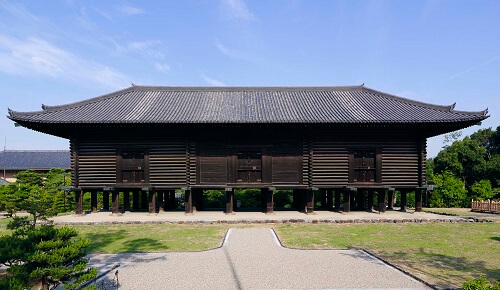
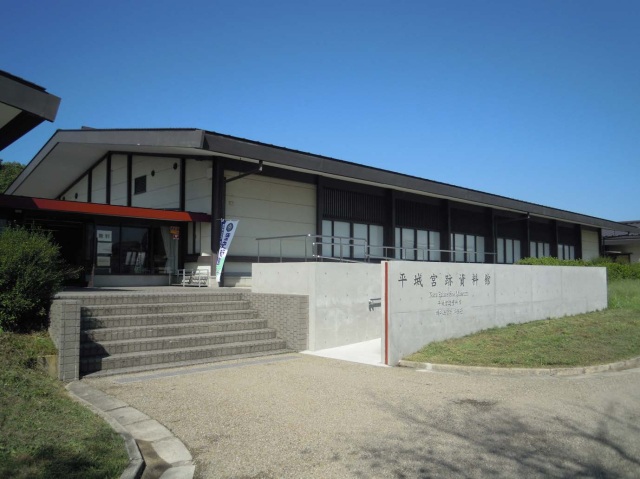
Museum of the excavation surveys of the Heijo Palace and the Heijo-Kyo ruins

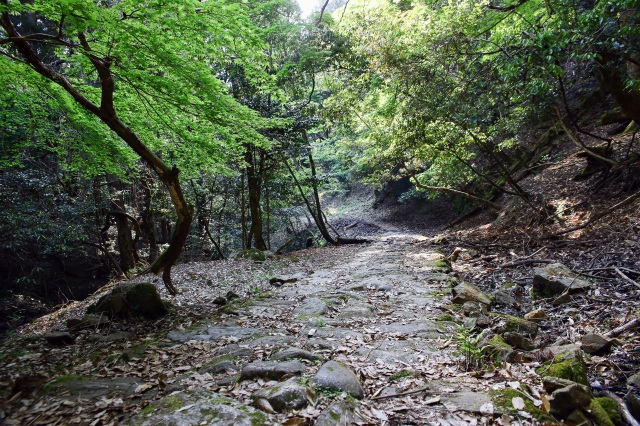
The first part of the Yagyu Kaido, an ancient road to a sacred site for samurai swordsmen.
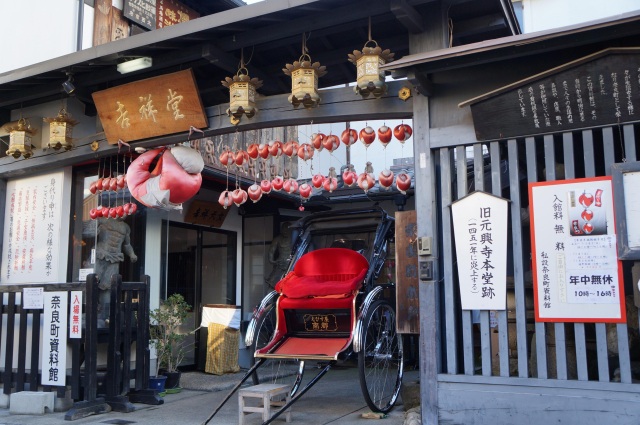
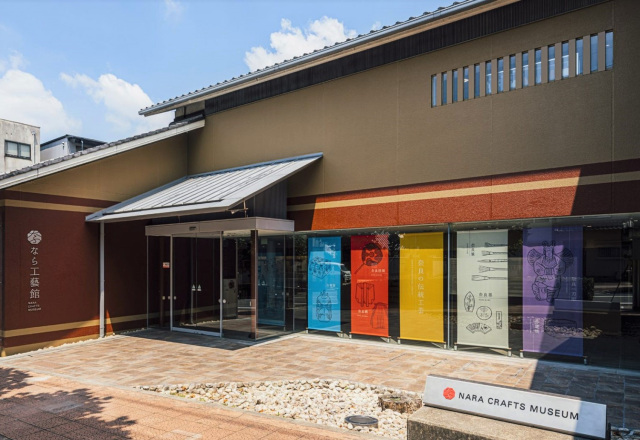
Houses precious materials such as nostalgic old signs, artworks, folk materials, and Buddhist statues
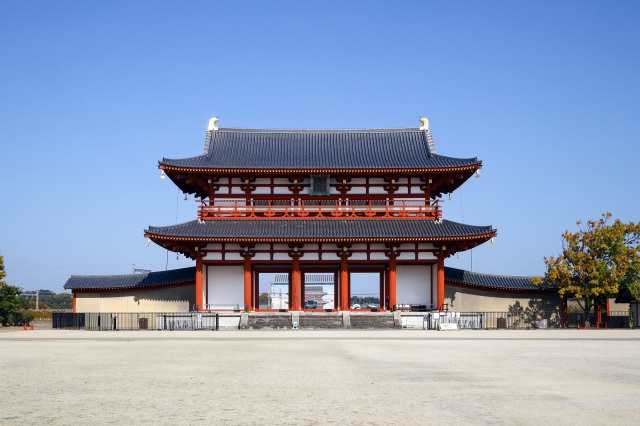
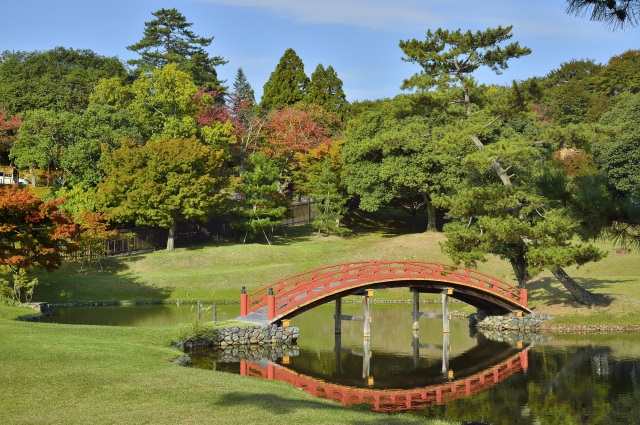
Known as the birthplace of Japanese sake : essential technologies for sake brewing were established here.
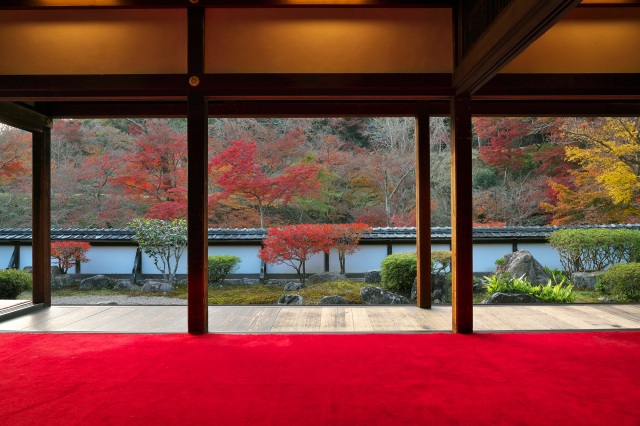
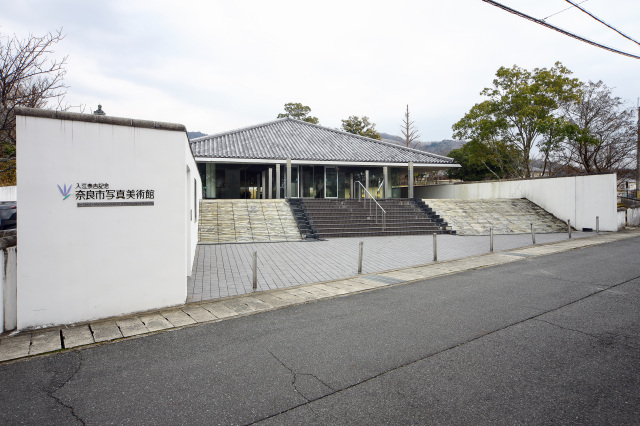
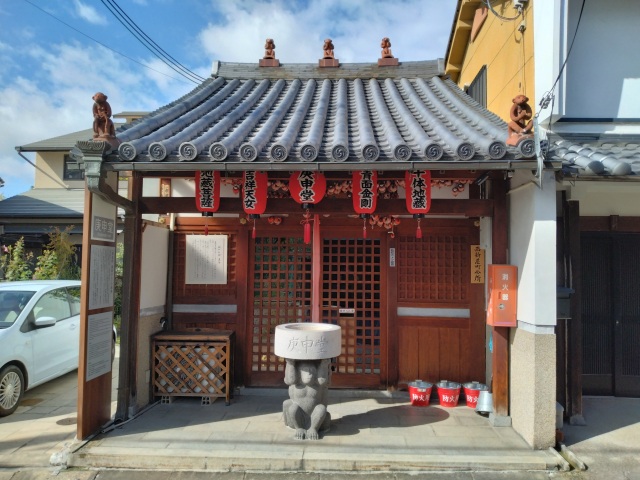
Center of "Koshin Faith" : People would gather here and pray for good every 60 days.
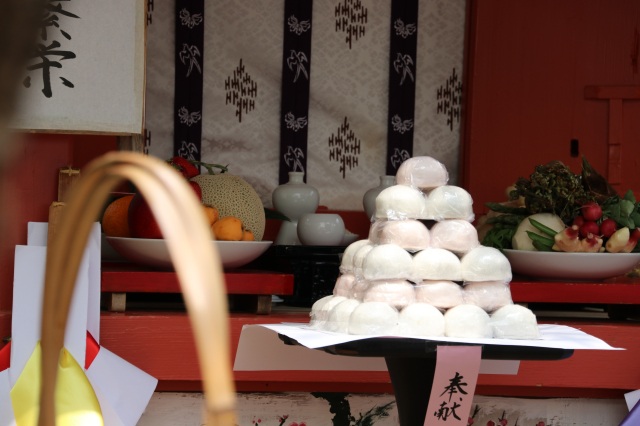
Confectioners from throughout Japan offer their signature sweets to the gods.
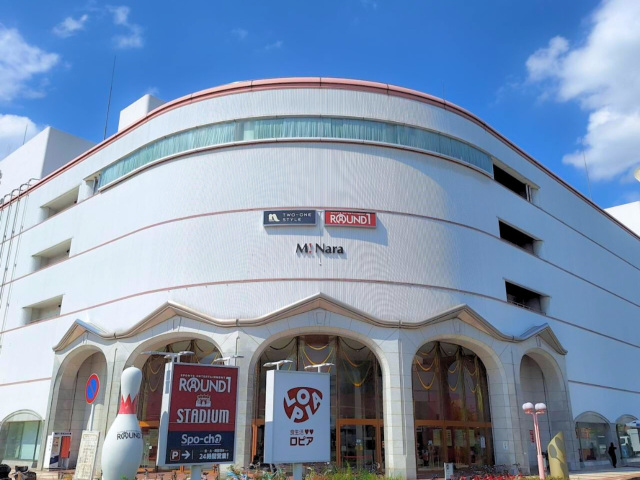
A tourist-oriented shopping complex in Nara City that can be enjoyed by families and tourists alike
Memorial service for a renowned poet and nobleman, model for the romantic protagonist in The Tales of Ise