What to see &do
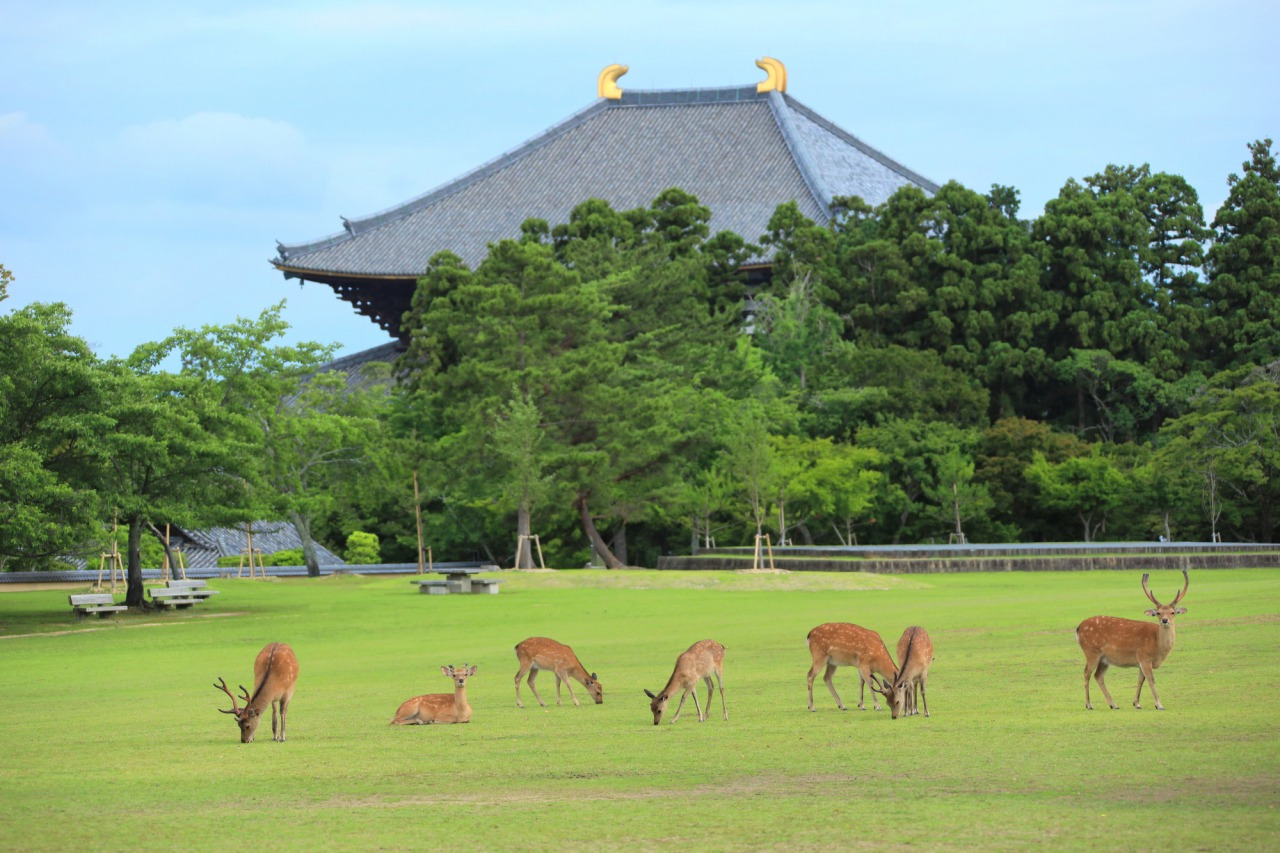
- Nara Park
- /en/spot/detail_10089.html
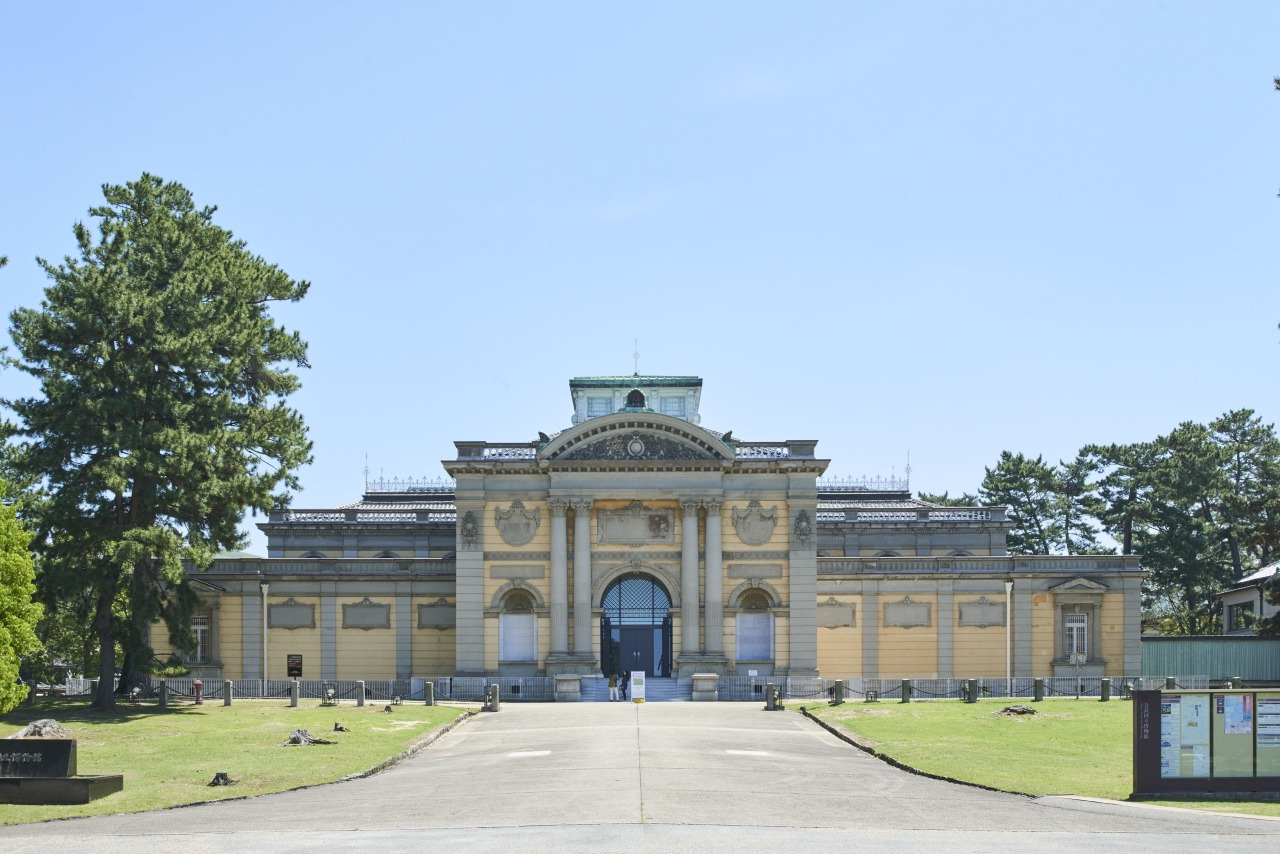
- Nara National Museum
- /en/spot/detail_10043.html
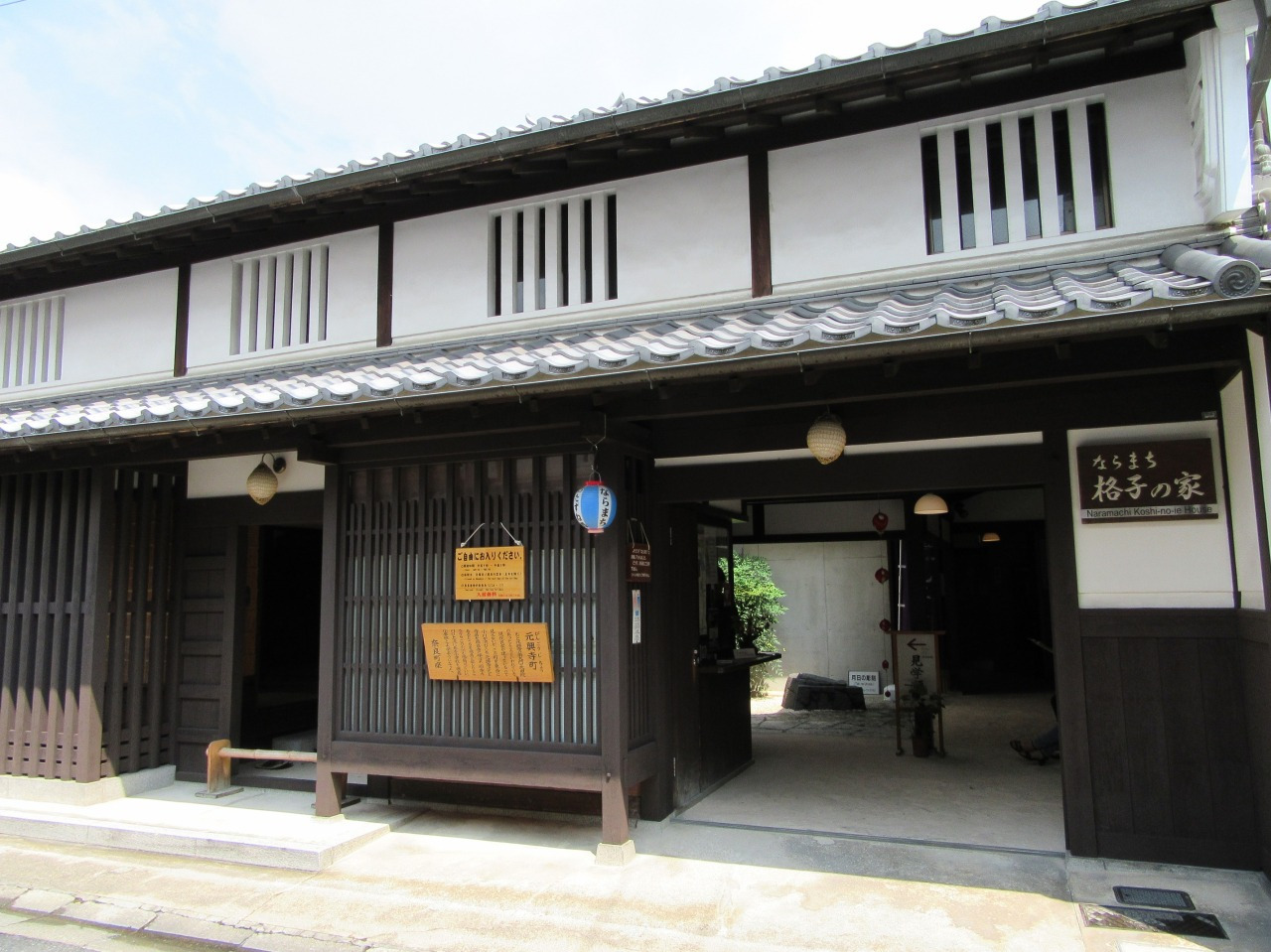
- Naramachi Koshi-no-Ie (lattice house)
- /en/spot/detail_10101.html
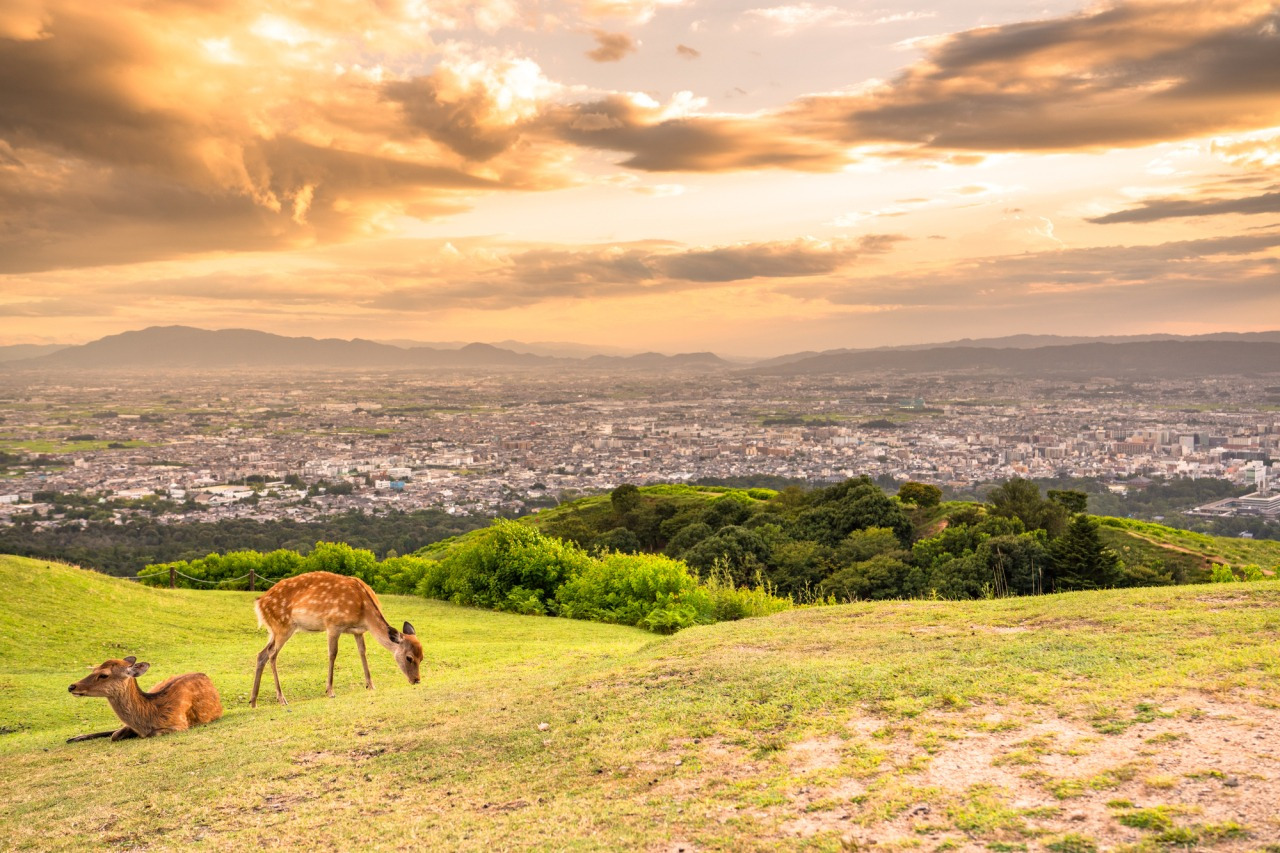
- Mount Wakakusa
- /en/spot/detail_10108.html
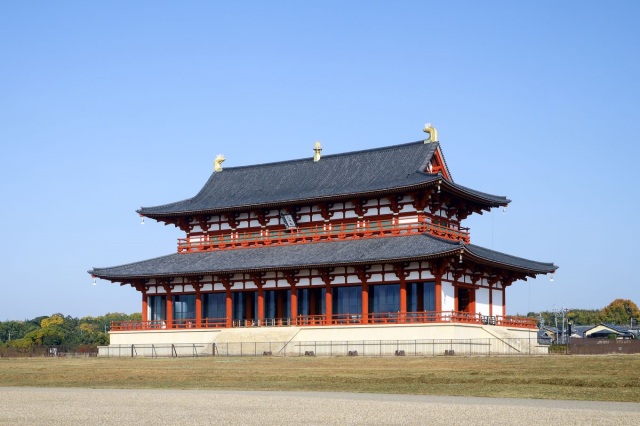
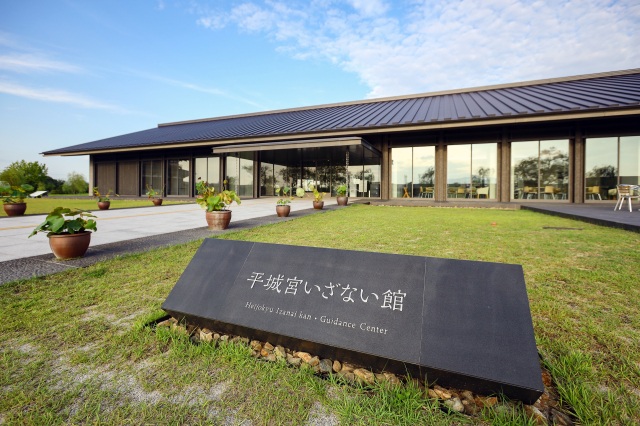
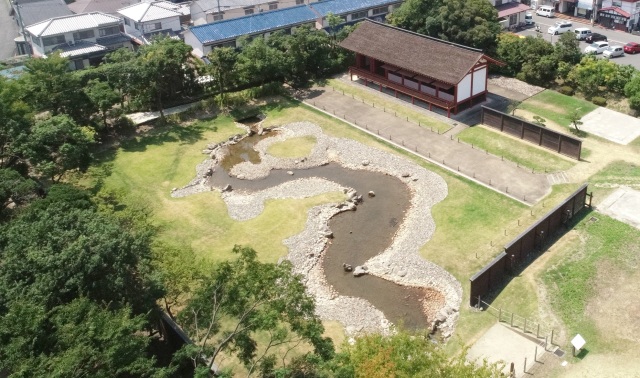
Largest palace within the Heijo Palace used for the important state ceremonies
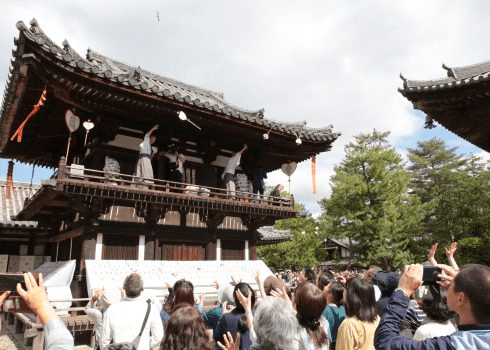
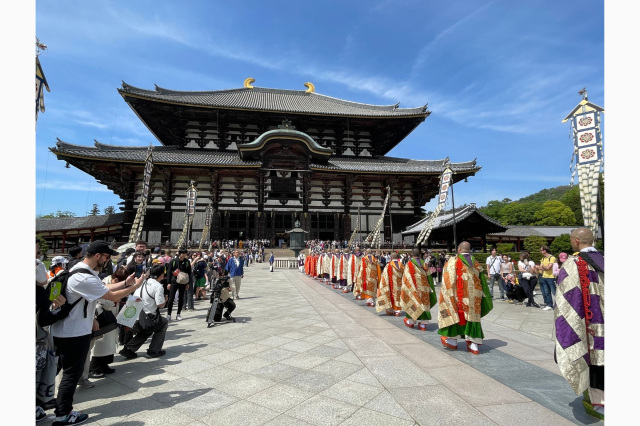
Praising the virtues of Emperor Shomu in the anniversary of his death.
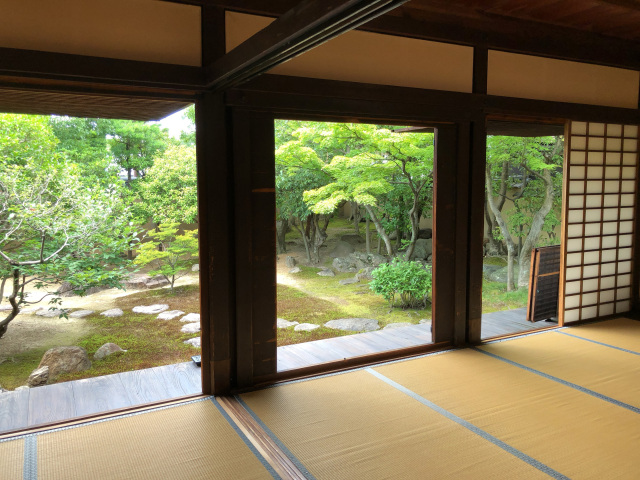
Shoin-zukuri-style traditional residence designated as an Important Cultural Property
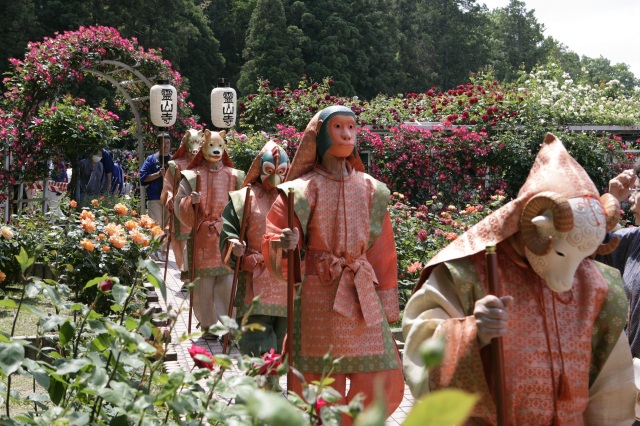
The roots of Nohgaku: A rare Okinamai dance performed by three Okina performers
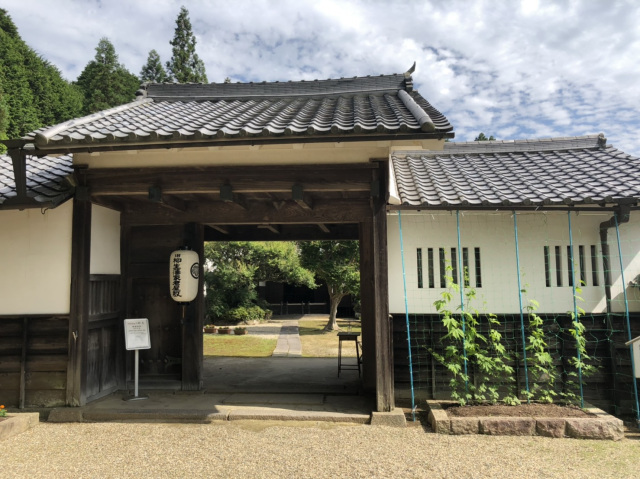
Reflects the appearance of a high-ranking samurai's residence from the late Edo period
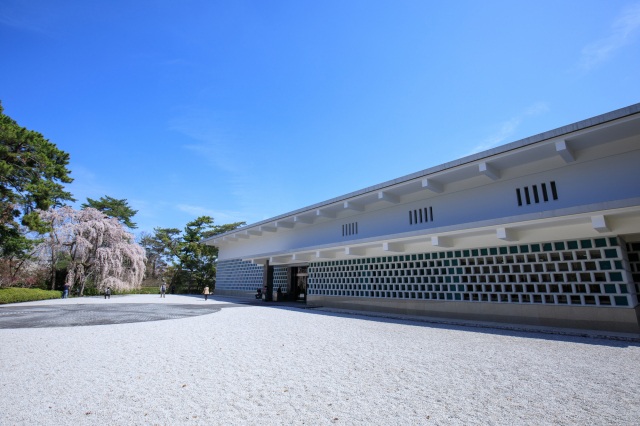
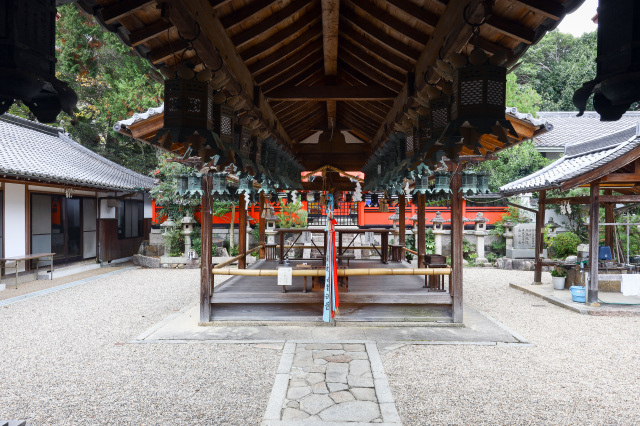
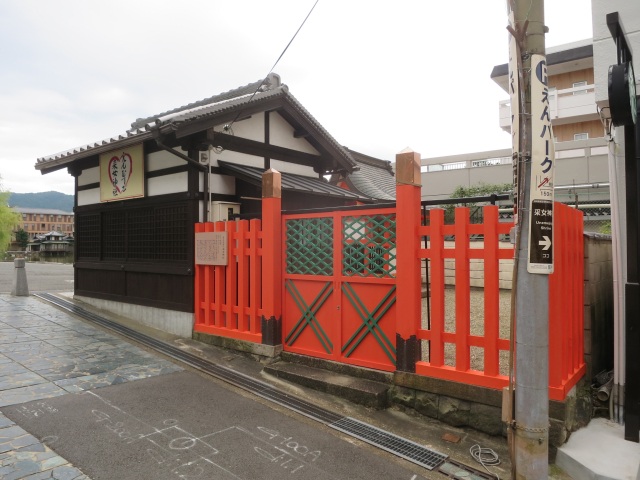
The shrine that hosts the annual harvest moon festival (Uneme-matsuri Festival)
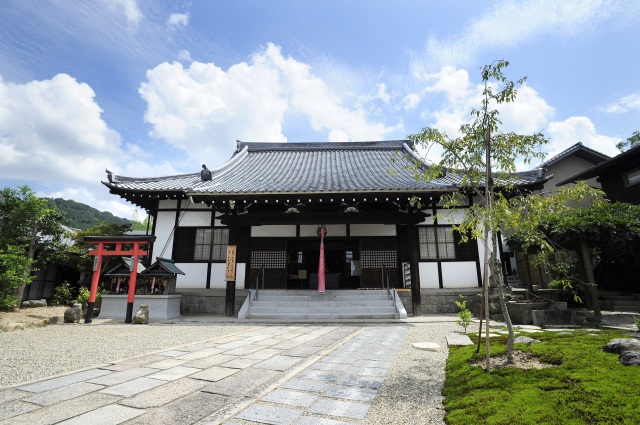
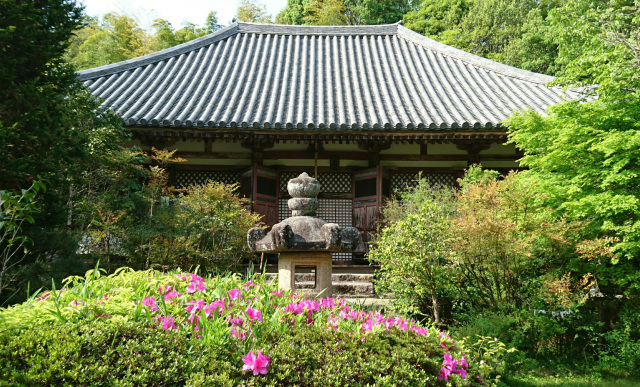
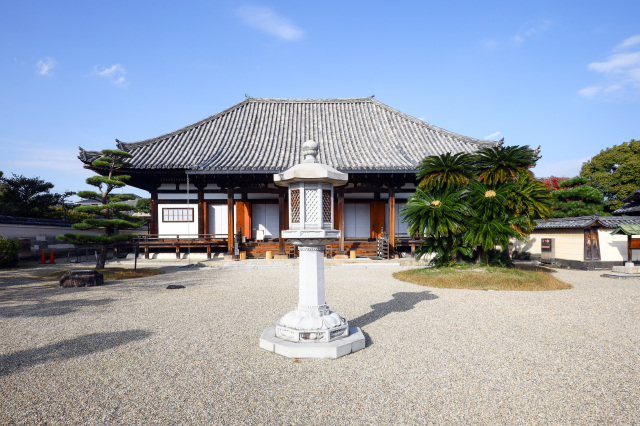
The temple serves as the base for Gyoki’s missionary activities, with its main hall said to be the prototype for the Great Buddha Hall of Todaiji.
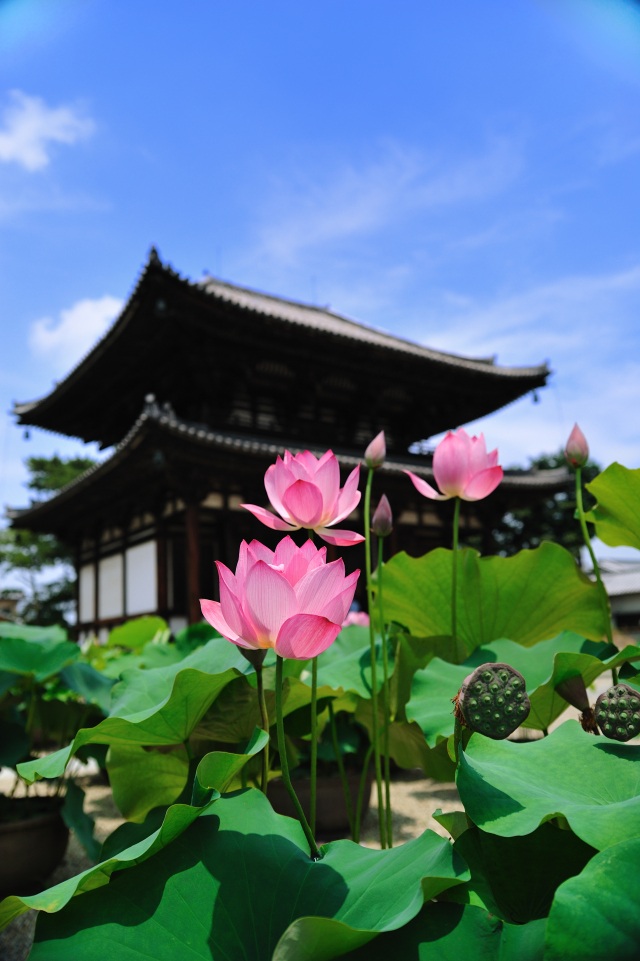
The Yagyu Lord's residence and government office were located here.
Empress Komyo designated Hokkeji as the head of a national system of convents.
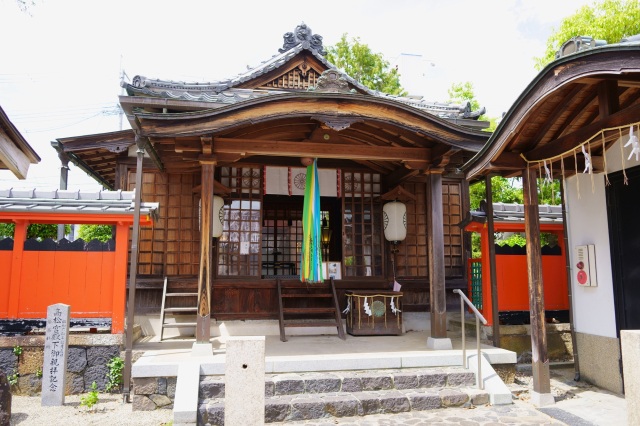
The origin of higan, and one of two great Goryo Shrines in Nara that are dedicated to Prince Sawara
Out of respect for all living creatures, fish will be released back into the water.
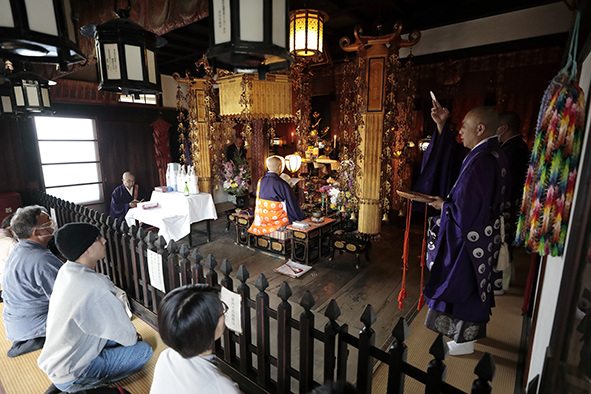
A sermon takes place every year in mid-July at Kikouji Temple during Obon
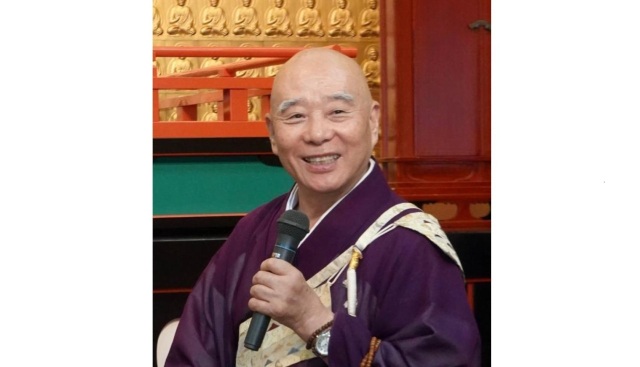
A temple associated with Murata Juko, known as the founder of the wabi-cha style of tea ceremony
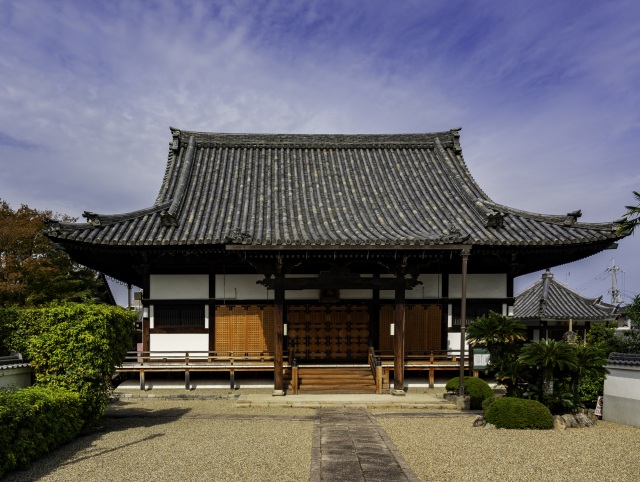
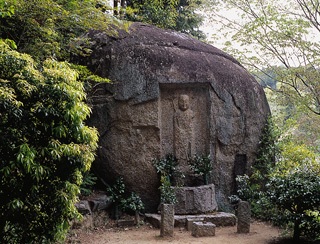
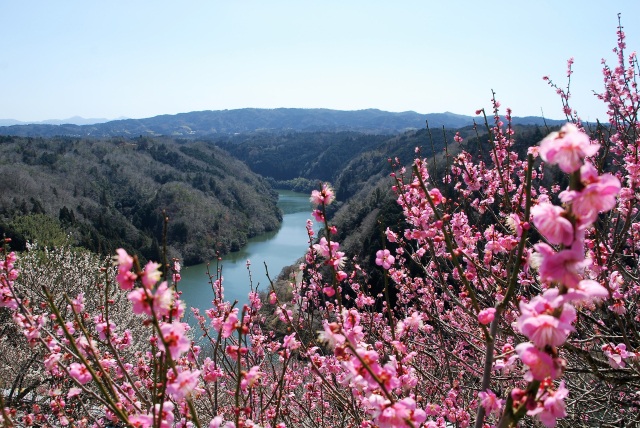
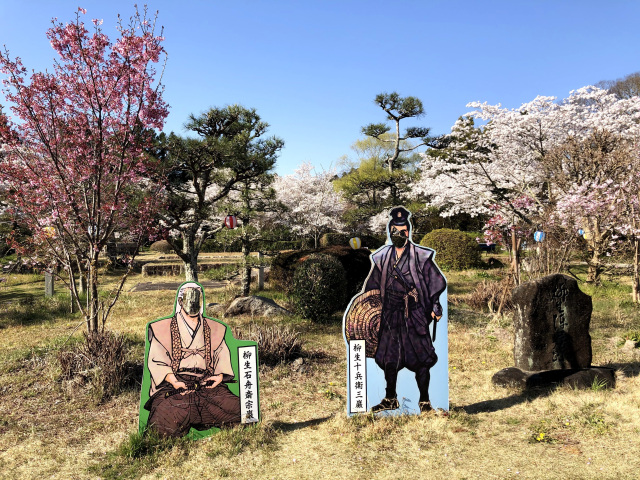
The family temple of the Yagyu clan is a renowned location for cherry blossoms and autumn leaves, overlooking the village of Yagyu.
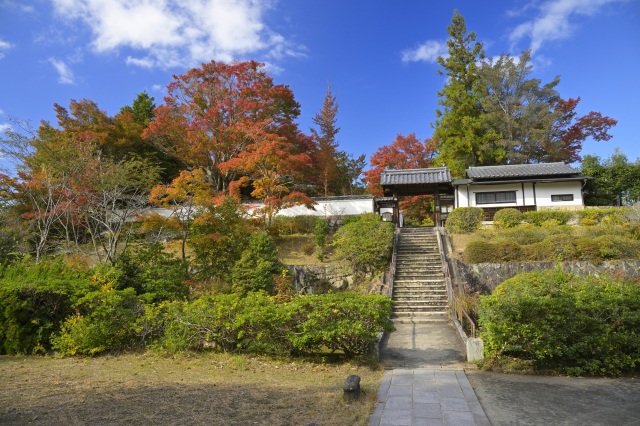
Established by imperial order in 858, this temple has attracted many believers as a place to pray for safe childbirth and fertility.
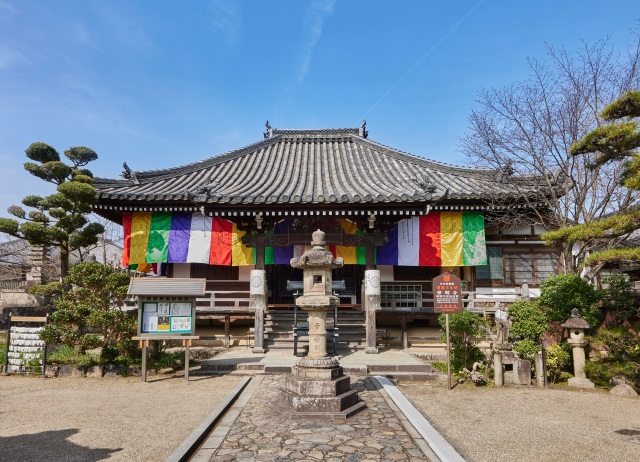
The temple, with its deep historical and cultural significance, provides a tranquil and reflective experience.
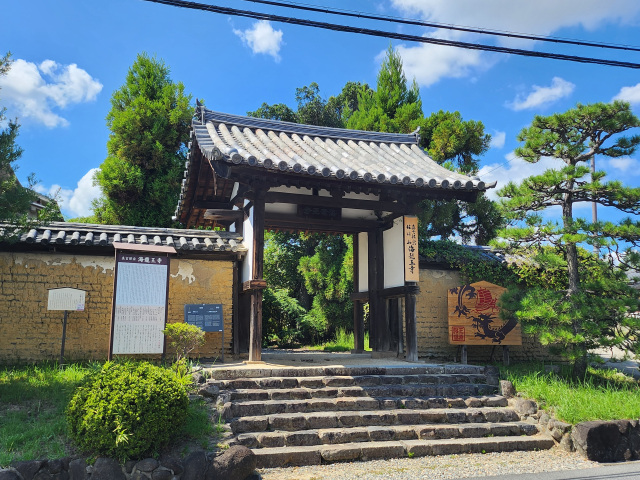
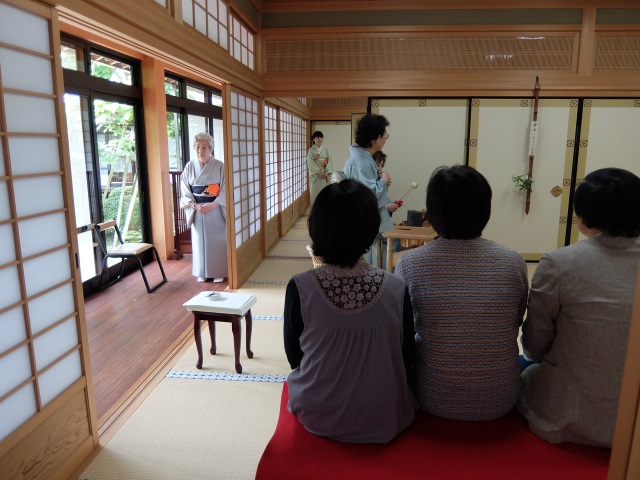
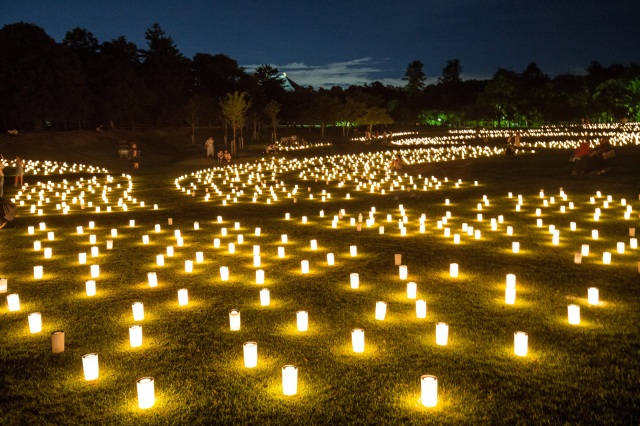
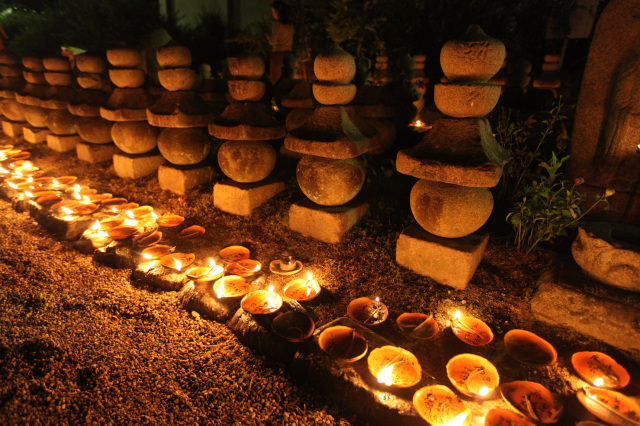
Thousands of stone lanterns and candles are creating a beautiful and tranquil atmosphere.
Famous one-eyed Yagyu Jubei trained about 10,000 samurai disciples at the beginning of the Edo era.
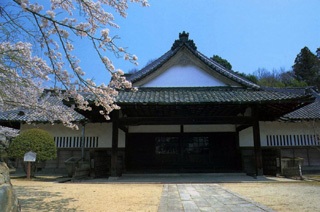
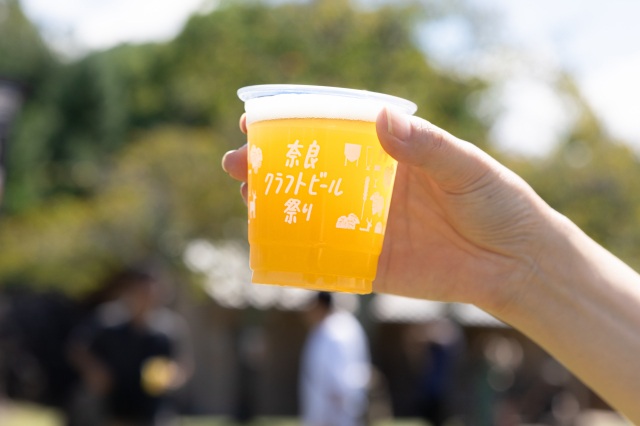
Beer festival bringing together all the craft breweries located in Nara