What to see &do
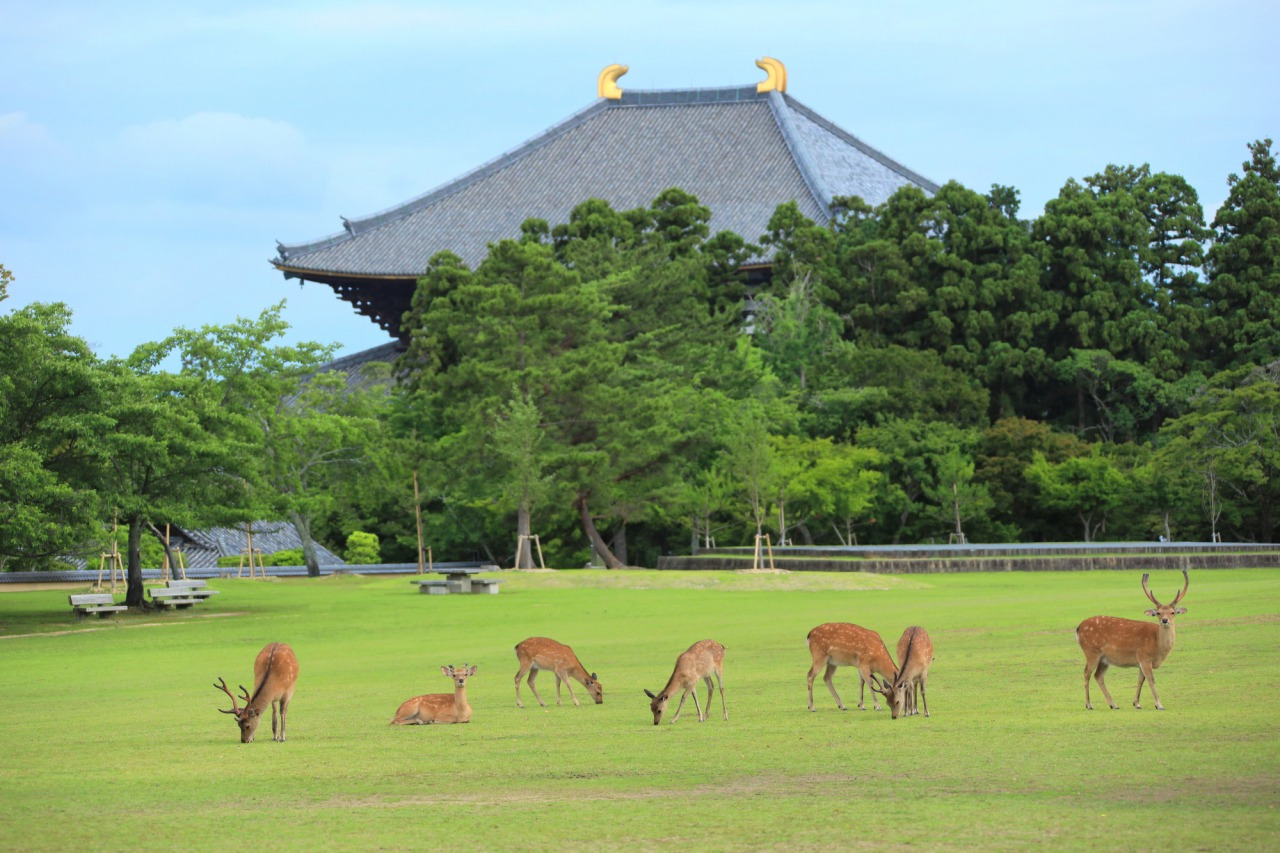
- Nara Park
- /en/spot/detail_10089.html
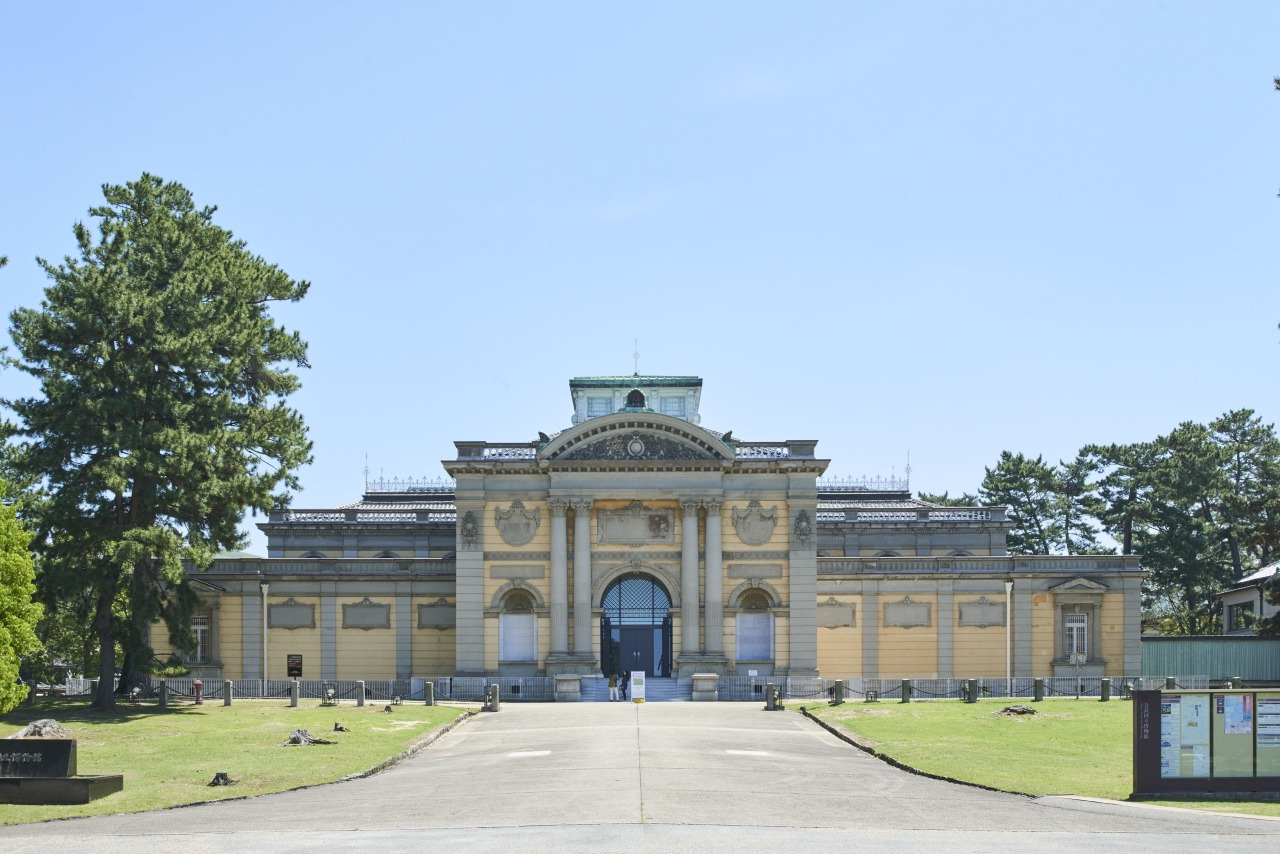
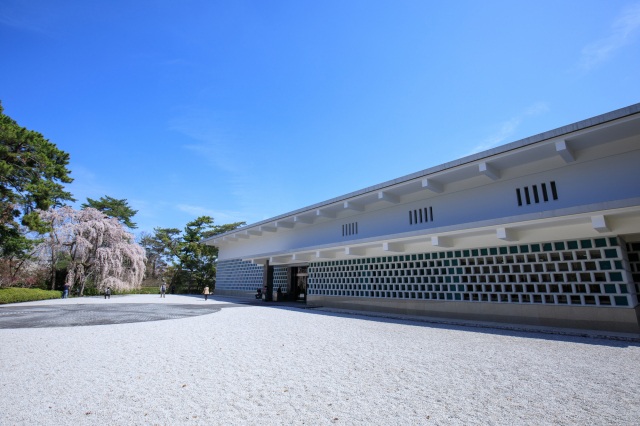
- Nara National Museum
- /en/spot/detail_10043.html
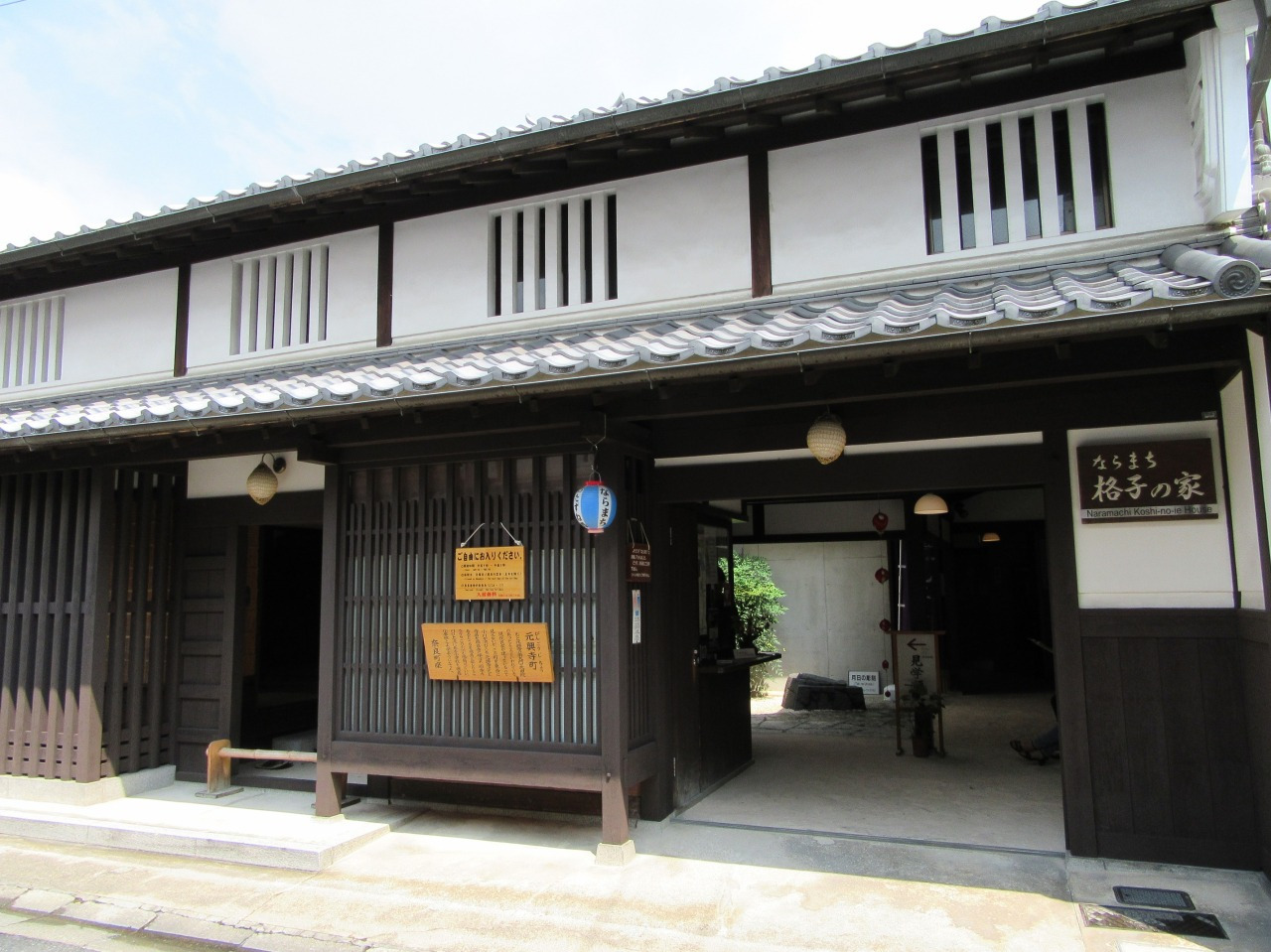
- Naramachi Koshi-no-Ie (lattice house)
- /en/spot/detail_10101.html
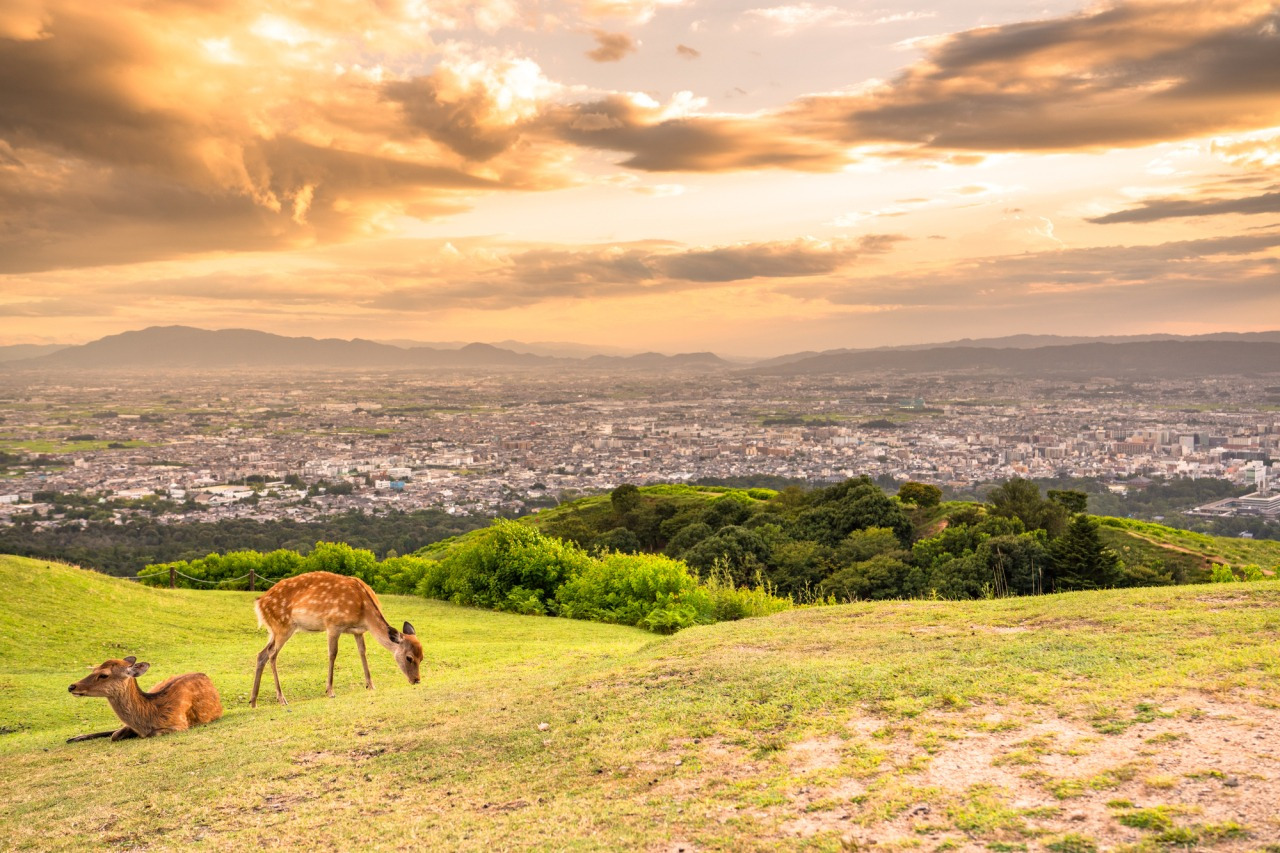
- Mount Wakakusa
- /en/spot/detail_10108.html
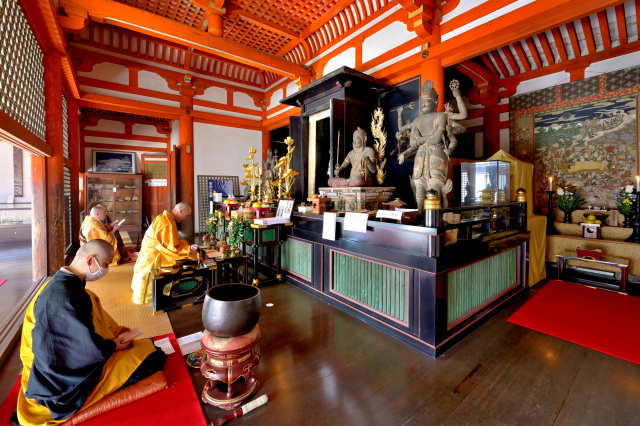
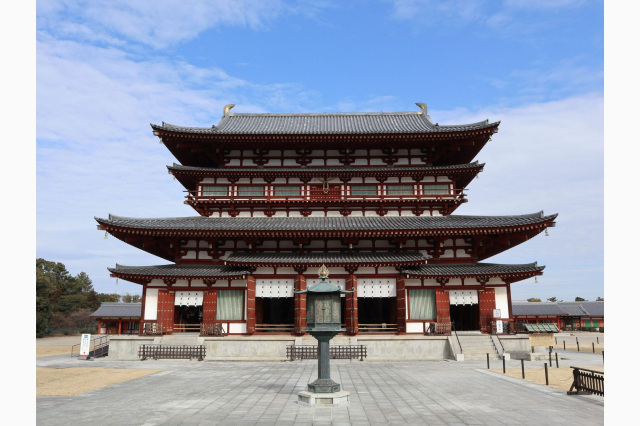
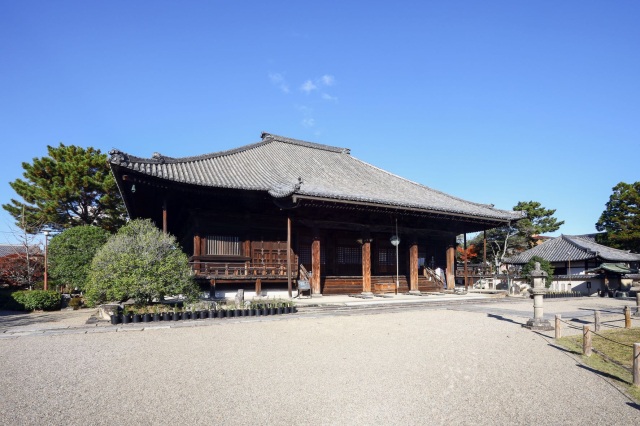
Established in 680, the unique layout known as Yakushiji-style is also referred to as "Ryugu-zukuri" (Dragon Palace style).
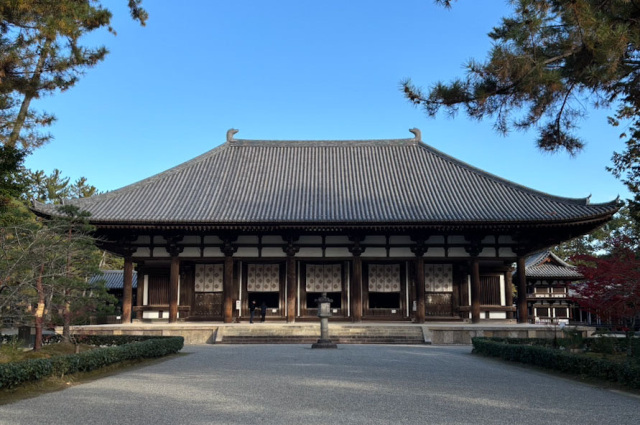
Founded by the Chinese monk Ganjin, who overcame hardships to come to Japan and spread the correct precepts of Buddhism.
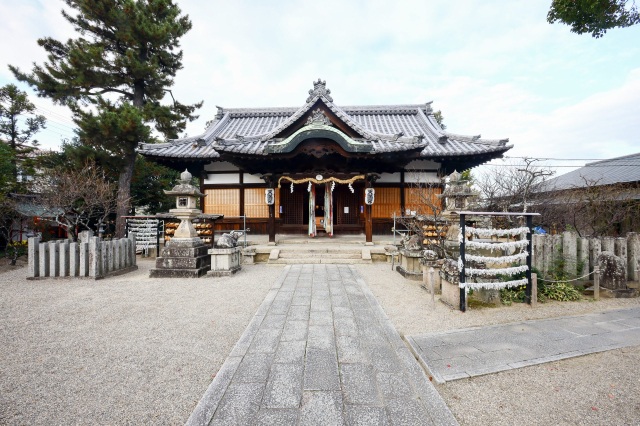
Japan's oldest Tenmangu Shrine, dedicated to Sugawara no Michizane and his ancestors.
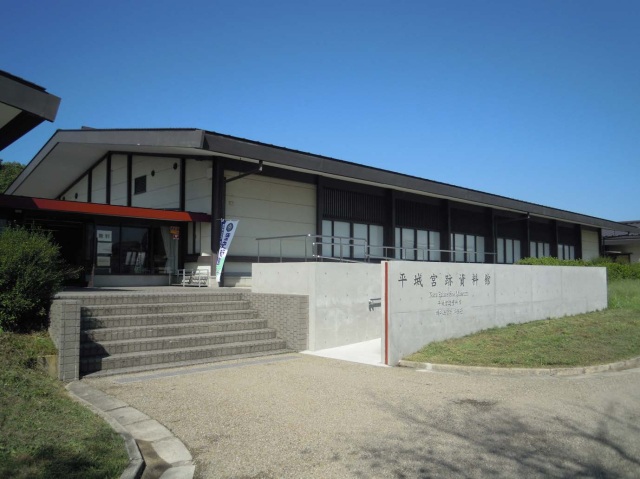
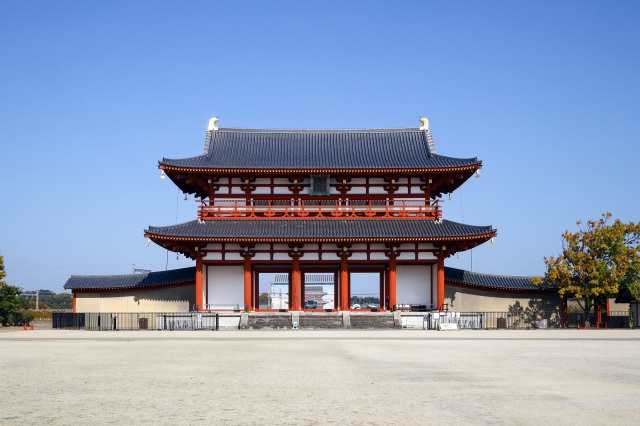
Museum of the excavation surveys of the Heijo Palace and the Heijo-Kyo ruins
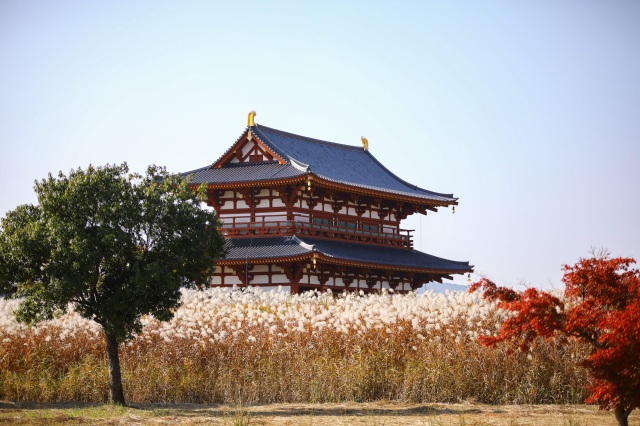
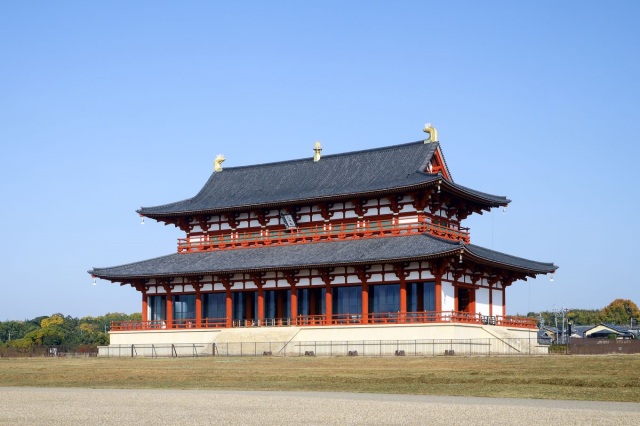
Largest palace within the Heijo Palace used for the important state ceremonies
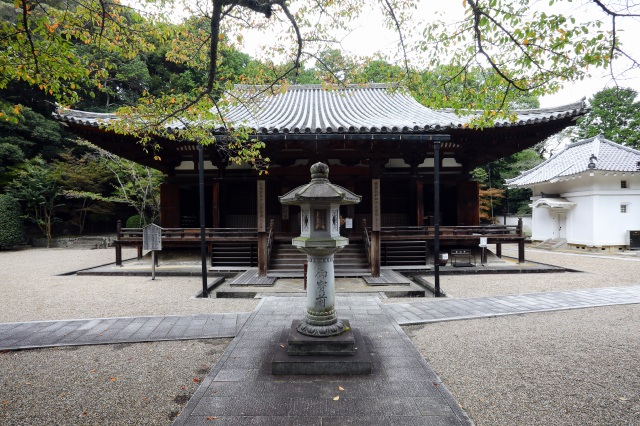
Memorial service for a renowned poet and nobleman, model for the romantic protagonist in The Tales of Ise
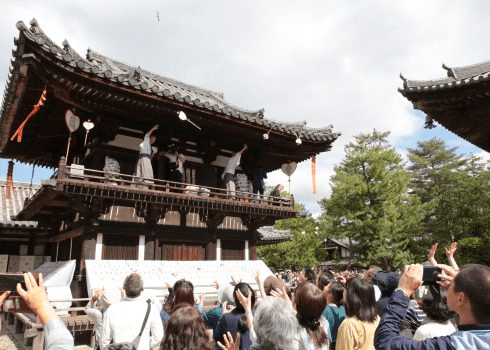
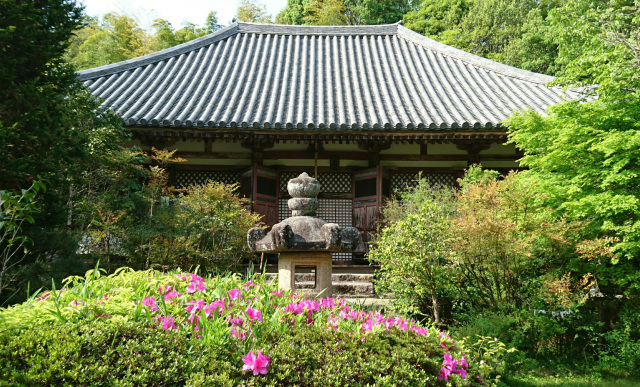
A tourist-oriented shopping complex in Nara City that can be enjoyed by families and tourists alike
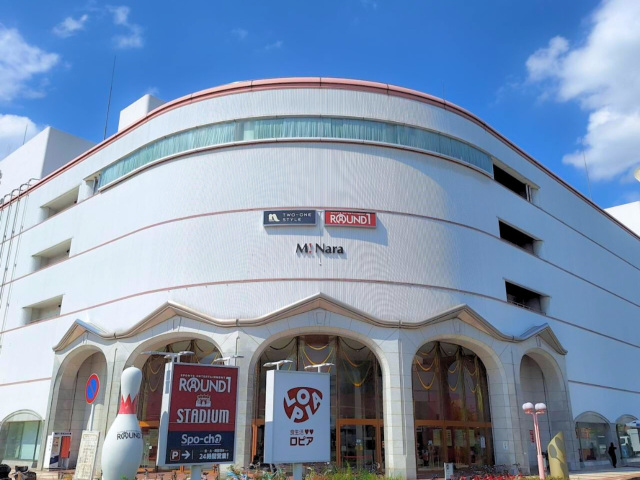
The temple serves as the base for Gyoki’s missionary activities, with its main hall said to be the prototype for the Great Buddha Hall of Todaiji.
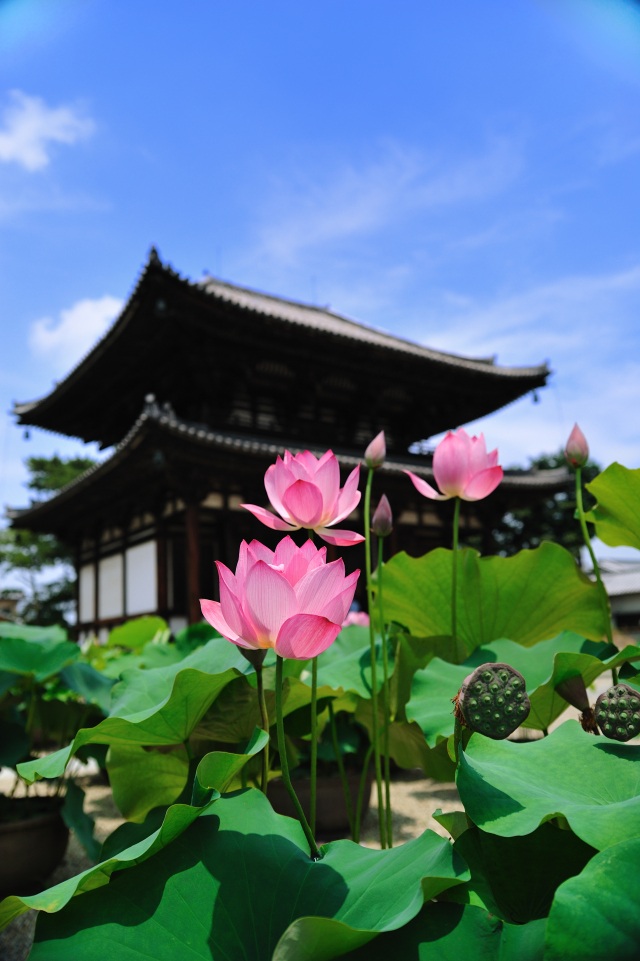
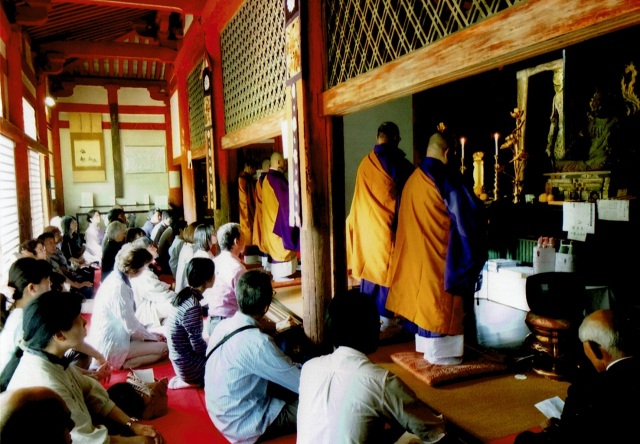
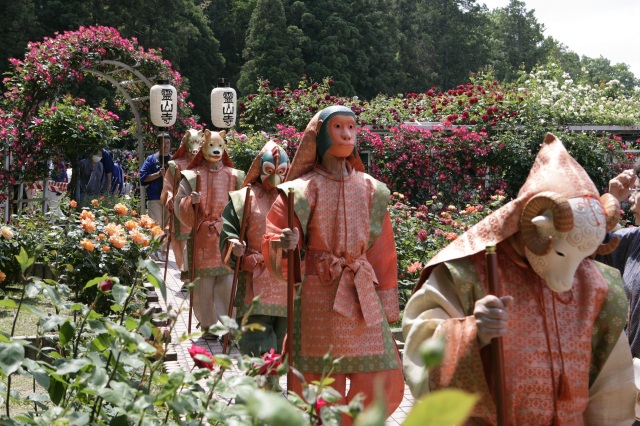
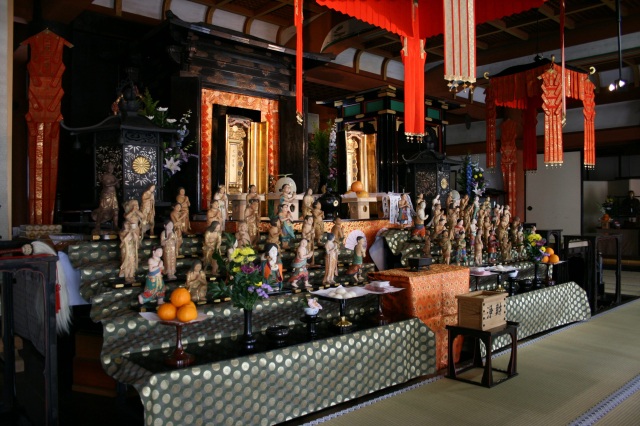
A sermon takes place every year in mid-July at Kikouji Temple during Obon
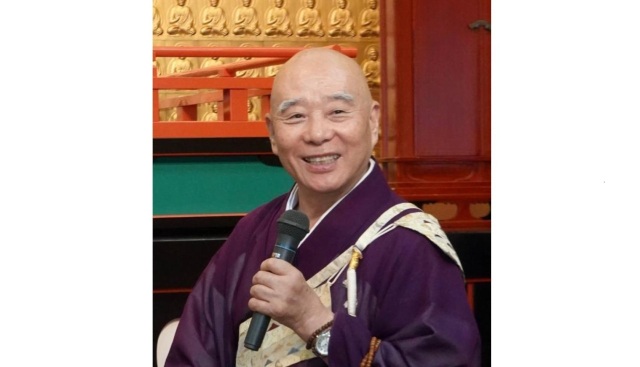
The temple, with its deep historical and cultural significance, provides a tranquil and reflective experience.
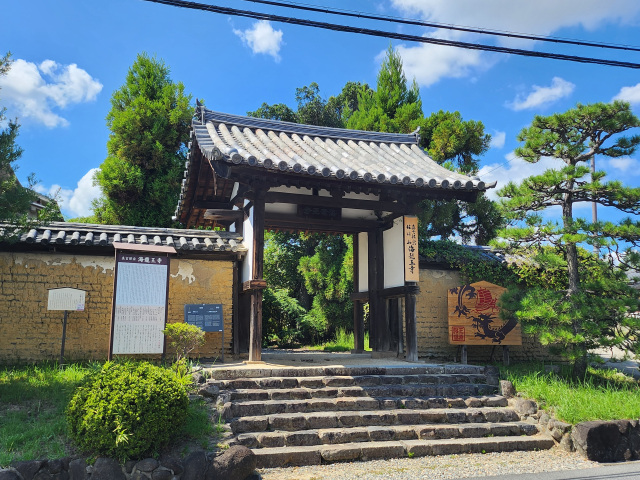
Empress Komyo designated Hokkeji as the head of a national system of convents.
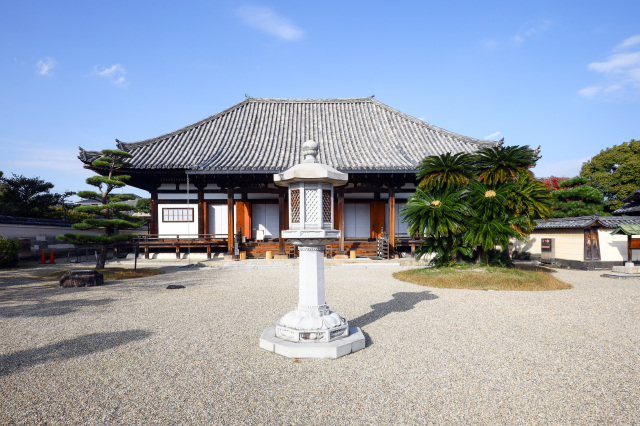
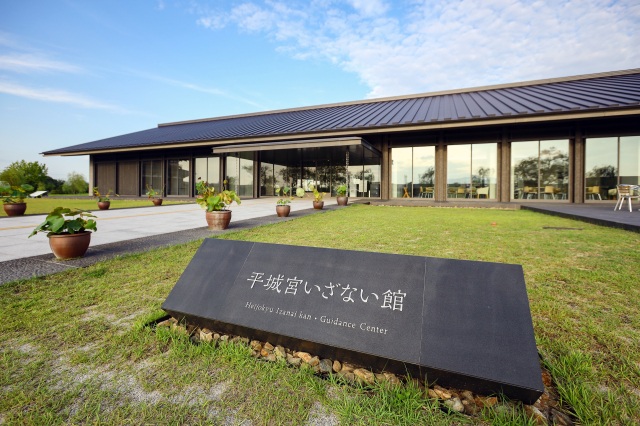
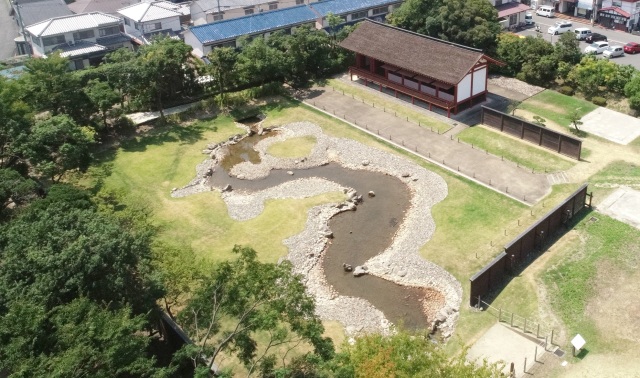
The remains of Heijo-kyo Capital are preserved and displayed under protective roof facilities.

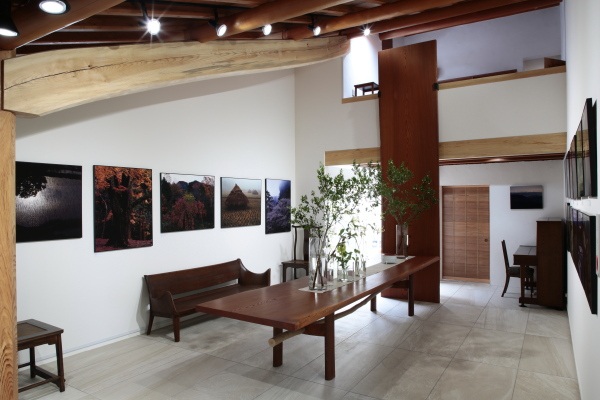
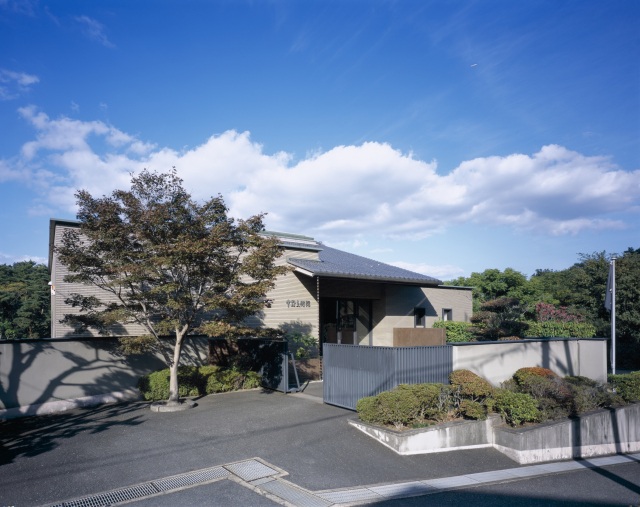
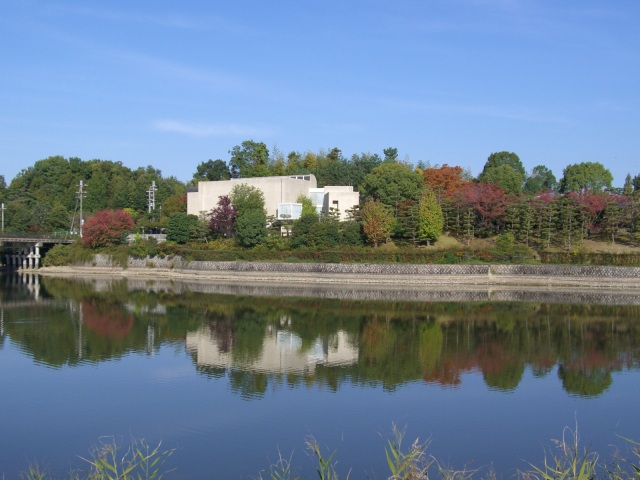
This museum exhibits works by three generations of Japanese painters: Uemura Shōen, Uemura Shōkō, and Uemura Atsushi.
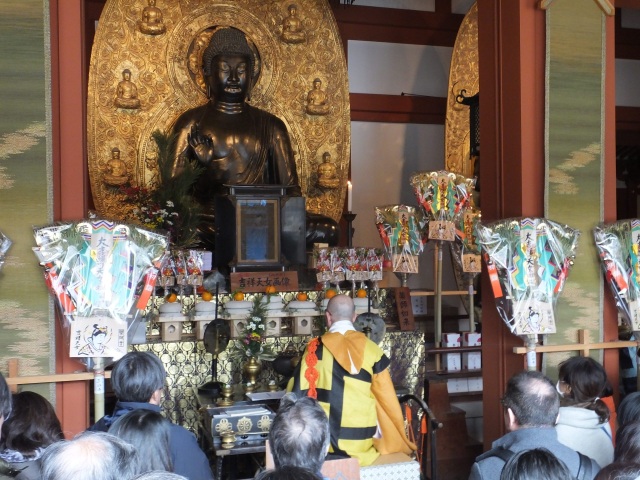
Repenting the sins of the previous year and praying for good fortune in the new year